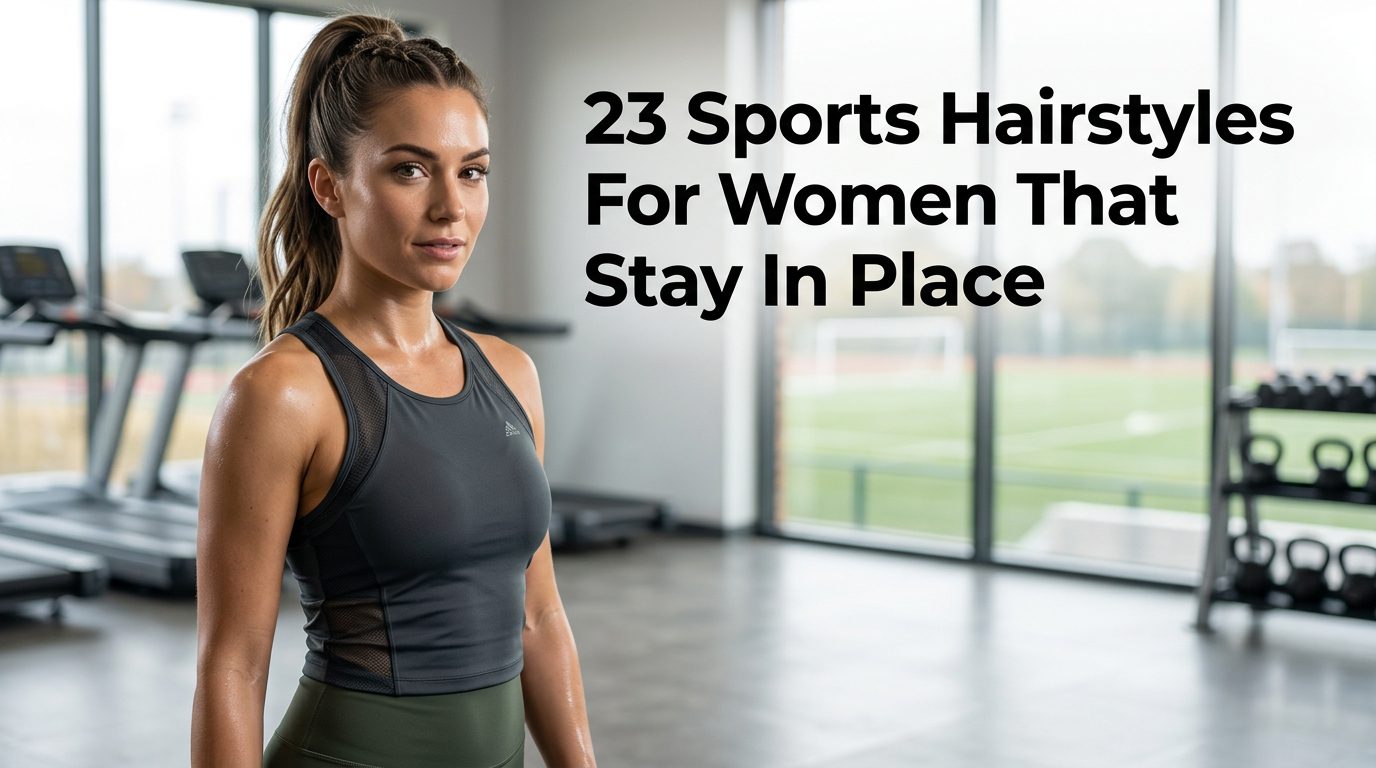
23 Sports Hairstyles For Women That Stay In Place
A great workout hairstyle should stay put from the first warm-up to the final stretch. Whether you’re heading to the gym, going for a run, playing tennis, or enjoying an outdoor adventure, the right hairstyle can keep hair away from your face while helping you feel comfortable and confident. In this guide, you’ll find 23 sports hairstyles for women designed for movement, easy styling, and reliable hold. From sleek ponytails and practical braids to creative combinations, these ideas make it easier to find a look that suits your hair length, texture, and favorite activities.
1. Sleek High Ponytail
- Keeps hair securely away from the face during active movement.
- Creates a clean, sporty silhouette without looking overly complicated.
- Works especially well with straight or lightly wavy hair.
- A strong elastic helps prevent loosening during workouts.
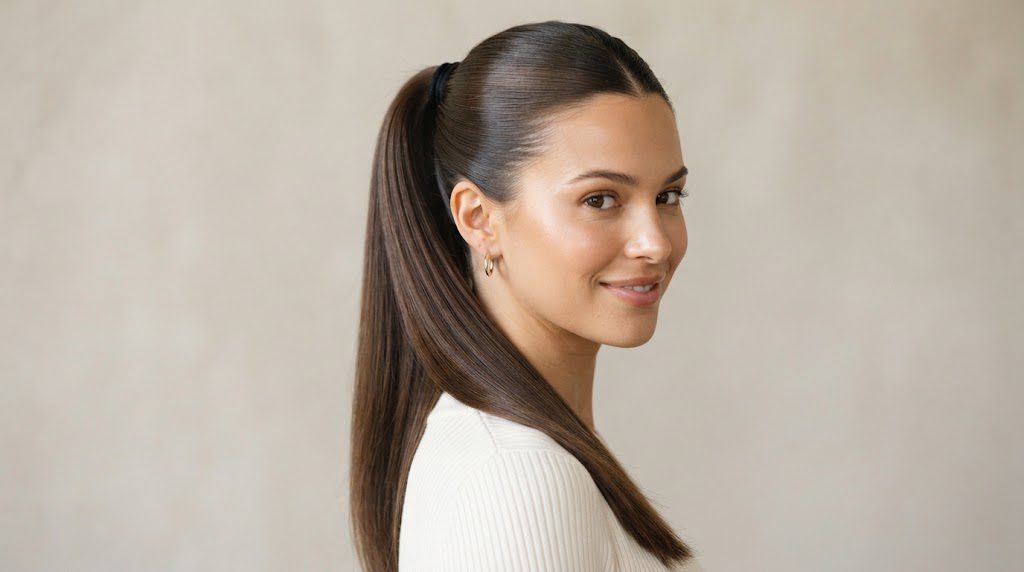
A sleek high ponytail instantly gives active hairstyles a polished, energetic finish while keeping loose strands under control. The hair is gathered high at the crown and smoothed closely against the head, creating a streamlined shape that moves comfortably with you. This look works particularly well for running, tennis, gym sessions, and dance practice because the length stays concentrated behind the head. Sports hairstyles for women often need to balance appearance with security, and this classic option does exactly that. A small amount of lightweight styling gel can smooth flyaways without making the hair feel stiff or heavy.
The beauty of this ponytail is its versatility, making it easy to transition from exercise to casual plans afterward. For medium or long hair, choose a strong elastic that grips without pulling excessively, then wrap a small strand around the base for a refined finish. I’ve noticed this style looks especially crisp when the crown is brushed smoothly before securing it. Natural daylight highlights the sleek surface beautifully, while a simple scrunchie can add personality. It is practical for busy mornings, outdoor activities, fitness classes, and everyday sporty outfits when you want a neat appearance that stays dependable.
2. Double Dutch Braids
- Keeps the hair tightly organized from roots through the ends.
- Braids reduce bouncing and help control shorter layers.
- Ideal for high-impact workouts and outdoor sports.
- The symmetrical shape adds a stylish athletic touch.
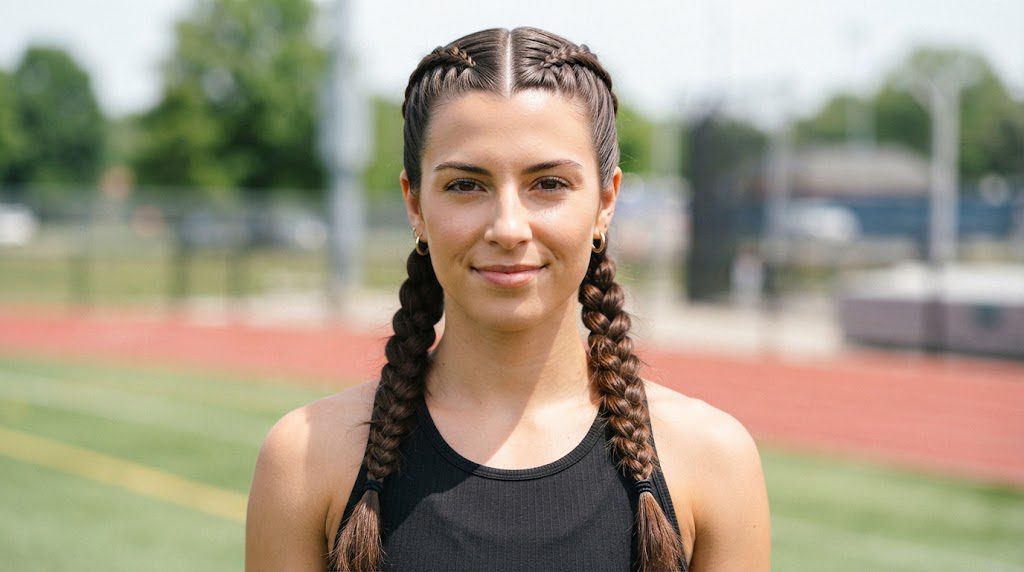
Double Dutch braids combine strong hold with a distinctly sporty appearance, making them a reliable choice when you need your hair controlled from morning until the final activity. Two Dutch braids begin near the forehead and travel neatly along both sides of the head before continuing toward the ends. Because the sections are woven underneath rather than simply crossed over, the braids create a raised texture that looks dimensional and secure. This style suits running, cycling, volleyball, hiking, and training sessions where constant movement can quickly loosen simpler hairstyles. It also keeps hair comfortably away from the eyes and neck.
For the cleanest result, divide the hair into two equal sections and keep your part straight before braiding. Medium to long hair gives the finished look plenty of length, while slightly textured hair can provide extra grip during styling. In my experience, securing the ends with small elastics makes a noticeable difference when the hairstyle needs to withstand vigorous movement. You can leave the braids compact and polished or gently loosen their edges for a softer appearance. The result is functional enough for training yet attractive enough for casual weekends, sporty outfits, and outdoor adventures.
3. Braided Low Ponytail
- Combines the security of a braid with the simplicity of a ponytail.
- Keeps longer hair contained without creating excessive crown tension.
- Works beautifully for cycling, walking, and lighter training.
- The braid adds texture while maintaining a tidy shape.
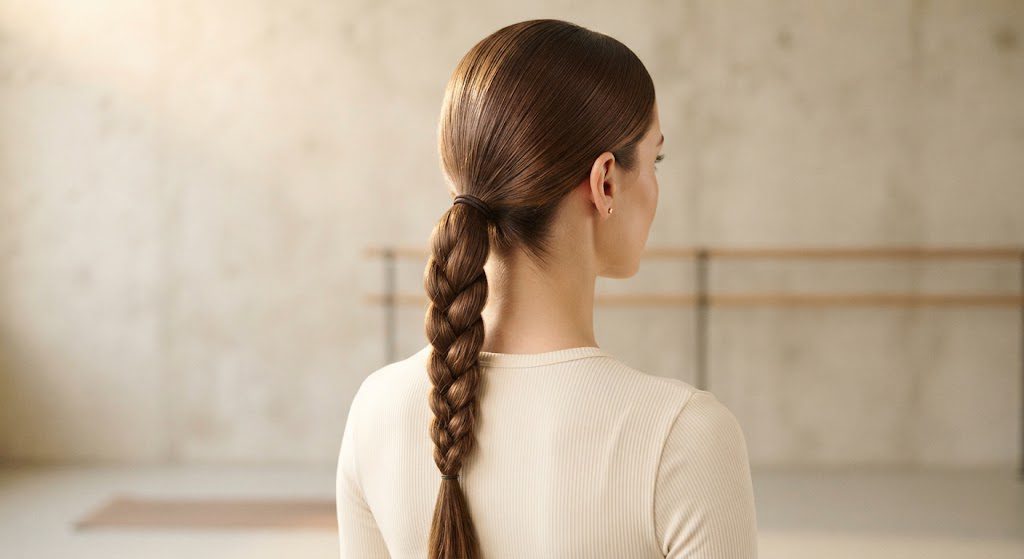
A braided low ponytail is an excellent middle ground when you want dependable control without wearing your hair high on the head. The style starts with a smooth low ponytail positioned near the nape, then the length is divided and braided securely to the ends. This arrangement keeps long hair from swinging freely while preserving a relaxed, practical appearance. It is especially useful for lower-impact workouts, walking, hiking, stretching, and everyday errands. The low placement also creates less visual bulk around the crown, giving the hairstyle a comfortable profile that pairs naturally with caps, hoodies, athletic jackets, and casual clothing.
The finished braid can be traditional, slightly loose, or textured depending on the look you prefer. For finer hair, gently pulling the braid edges outward can make it appear fuller without sacrificing its structure. A strong but comfortable elastic at the ponytail base helps prevent slipping, while a second elastic at the ends keeps everything contained. That’s why many hairstylists recommend adapting the tension to your activity level rather than making every section extremely tight. The result feels effortless but intentional, making it a practical option for active days when comfort, neatness, and simple styling all matter.
4. Bubble Ponytail
- Keeps long hair organized into secure, defined sections.
- Reduces loose swinging during running and active movement.
- Adds playful texture without requiring complicated braiding.
- Works especially well for thick or long hair.
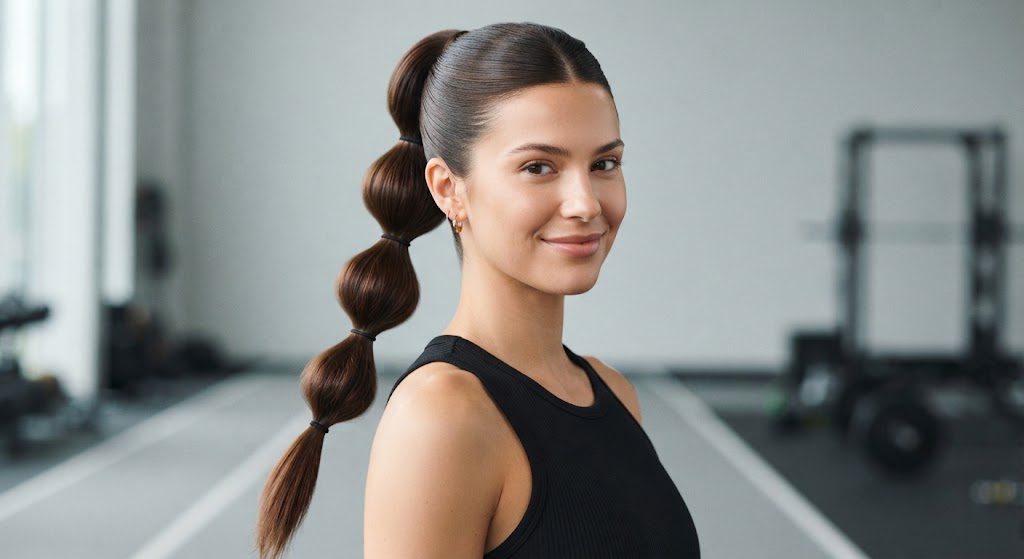
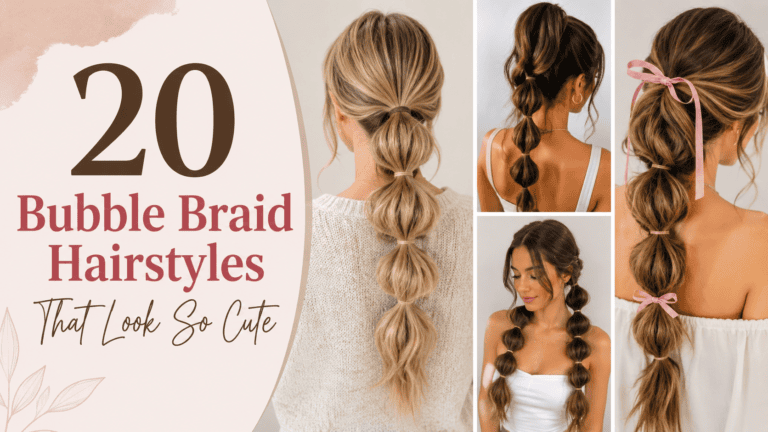
Need a dependable style that feels sporty without looking too basic? A bubble ponytail gives long hair a secure, playful structure while reducing the loose movement that can become distracting during exercise. The hair is gathered into a ponytail, then divided with several small elastics to create rounded sections along the length. This works particularly well for running, tennis, gym sessions, and outdoor walks because the sections keep the ponytail organized. For thick hair, slightly stronger elastics can provide better support. The finished shape also adds visual interest to simple athletic outfits without requiring complicated braiding techniques.
A bubble ponytail becomes even more practical when you adjust the spacing of the elastics to match your hair length and activity. Smaller bubbles create a tighter, more controlled effect, while wider sections look relaxed and voluminous. I’ve noticed this approach works especially well when long layers tend to escape from ordinary ponytails. Use snag-free elastics and avoid pulling them excessively tight, especially near the scalp. The style is easy to refresh after a workout by smoothing the crown and replacing any loosened bands. It is also versatile enough for casual outings, school runs, weekend activities, and sporty everyday styling.
5. French Braid Ponytail
- Combines a controlled crown with a practical ponytail.
- Helps keep shorter layers away from the face.
- Offers more security than a simple loose ponytail.
- Looks polished while remaining suitable for active routines.
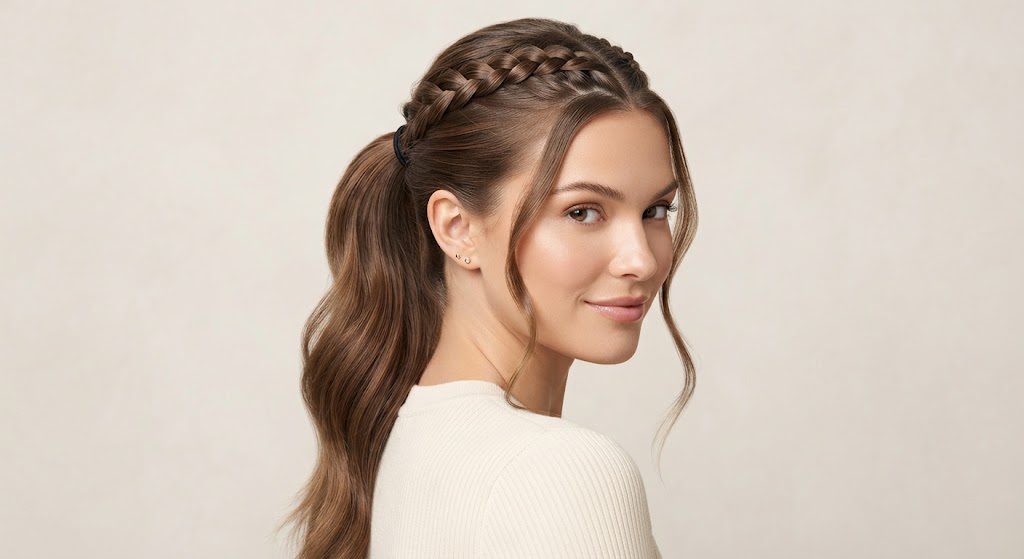
Want a hairstyle that combines a secure crown with a practical flowing length? A French braid ponytail starts by incorporating hair gradually from the top and sides, then transitions into a regular ponytail once the braid reaches the back of the head. This construction helps control layers and flyaways around the face while keeping the remaining length gathered. It is especially useful for tennis, hiking, jogging, and fitness classes where hair needs to stay organized. The style looks polished from every angle and can make longer hair feel lighter, more structured, and easier to manage during active movement.
The transition from braid to ponytail also gives this look useful flexibility for different hair textures. Straight hair creates a sleek finish, while wavy hair adds natural dimension and softness. Start with slightly damp or lightly textured hair if your strands are slippery, then secure the ponytail with a firm elastic. That’s why many hairstylists recommend building consistent tension as you braid rather than tightening only at the end. This option works for workouts, school sports, casual errands, and outdoor activities. It also photographs beautifully because the braided crown adds detail without making the overall hairstyle appear overly elaborate.
6. Fishtail Braid
- Keeps longer hair neatly contained down the back.
- Adds detailed texture without needing multiple accessories.
- Works well for walking, hiking, and lower-impact activities.
- Gives simple athletic outfits a more distinctive finish.
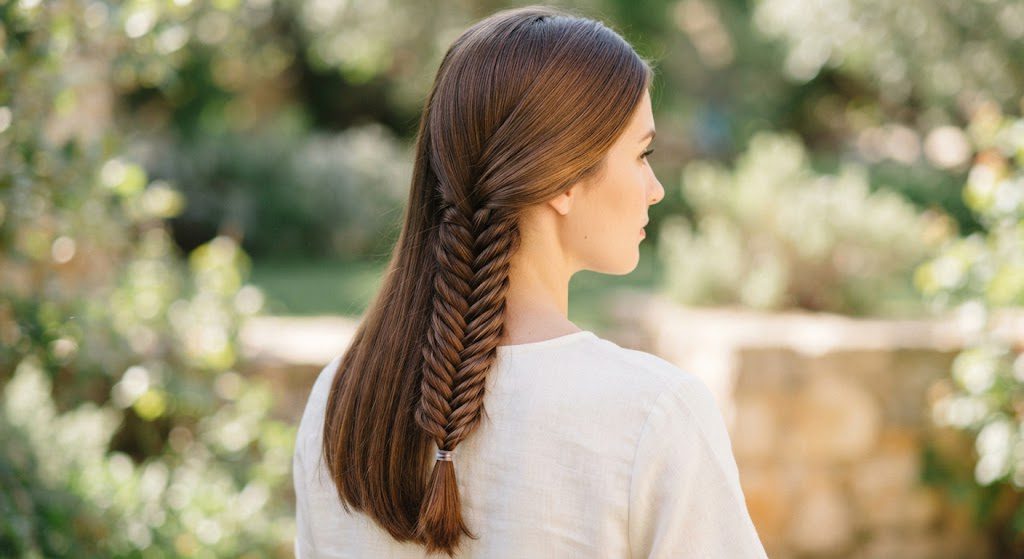
A fishtail braid brings texture and strong visual detail to an active hairstyle while keeping long hair neatly contained. Instead of using three sections, the braid is created from two larger sections with small pieces crossed from each outer edge into the opposite side. The resulting pattern looks intricate but can remain comfortable when braided at moderate tension. It works well for hiking, walking, yoga, casual cycling, and lower-impact training. The narrow woven shape also sits neatly down the back, reducing the swinging movement that can make loose hair distracting. Its detailed texture gives sporty outfits an effortless, Pinterest-ready finish.
For the best balance between hold and comfort, keep the braid secure near the upper section and gradually relax the tension toward the ends. This creates definition without making the scalp feel overly tight. A fishtail works particularly well on medium to long hair, and subtle waves can make the pattern appear fuller. I’ve seen this style work beautifully for many people who want something more distinctive than a standard braid. Use a small clear elastic at the bottom, then gently tug a few sections if you want added width. It is practical for active days and casual social plans alike.
7. High Braided Bun
- Keeps the entire length compact and away from the neck.
- Provides dependable control for high-impact movement.
- Creates a lifted, clean athletic silhouette.
- Works particularly well for dance and intensive training.
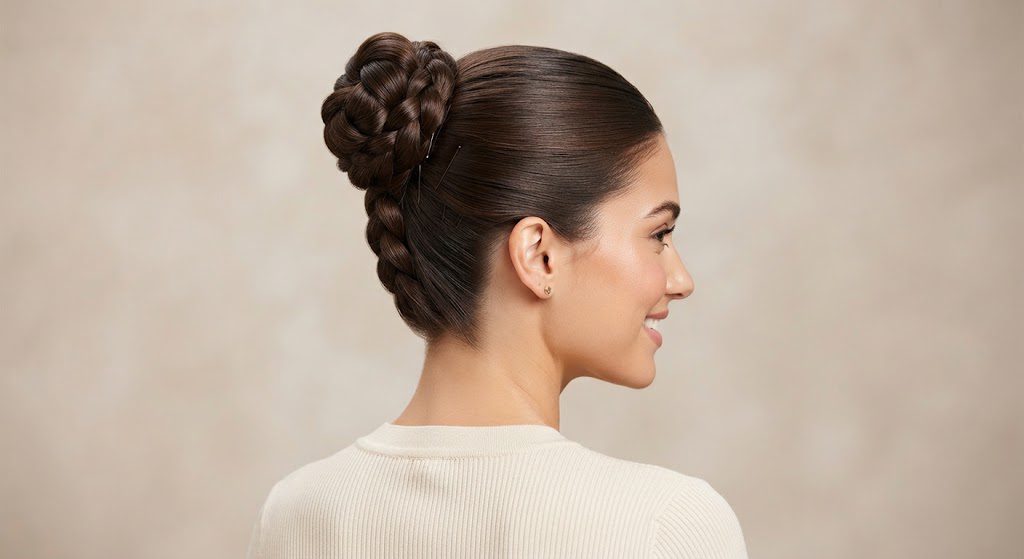
When you need maximum control with minimal loose length, a high braided bun is a strong choice for active days. The hair is gathered high on the crown, braided through the length, and wrapped into a compact bun secured with pins or a firm elastic. Keeping the braid underneath the bun helps prevent longer strands from swinging during movement. This makes the style useful for dance, volleyball, running, gym workouts, and training sessions. It also exposes the neckline and creates a clean, lifted silhouette. The polished shape works especially well when you want a practical hairstyle that still looks refined and intentional.
A high braided bun can be adjusted for different hair thicknesses by changing the braid size and number of wraps around the base. Thick hair may need several sturdy pins, while fine hair can benefit from a smaller braid and lightweight volumizing texture. Keep the bun secure but avoid excessive tension around the hairline, particularly before long workouts. The result is neat from the front, sides, and back, making it useful for activities where appearance matters as much as performance. It can also transition easily into post-workout plans when paired with simple earrings or a clean athletic outfit.
8. Low Braided Bun
- Offers secure styling without a high crown.
- Keeps longer strands contained close to the neck.
- Pairs comfortably with casual jackets and hoodies.
- Gives relaxed workouts a polished appearance.
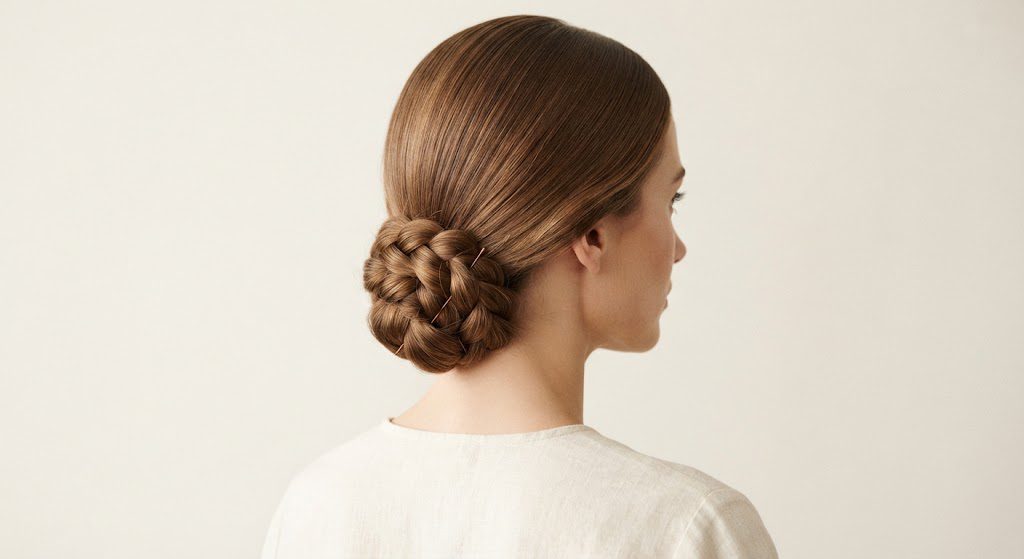
A low braided bun offers secure styling with a softer, more relaxed placement than a high bun. The hair is gathered near the nape, braided through the length, and wrapped into a compact shape close to the neck. This keeps longer strands controlled while reducing the height and movement of the hairstyle. It is a practical option for yoga, walking, stretching, pilates, casual cycling, and lighter training sessions. The low position can also feel comfortable under some hoodies or loose jackets. Visually, the braid adds texture and structure, giving a simple active hairstyle a polished finish without appearing overly formal.
To keep the bun stable, begin with a smooth low ponytail and secure the braid before wrapping it around the base. Bobby pins should be inserted through the bun and into the underlying hair rather than placed randomly on top. In my experience, this small adjustment helps prevent the bun from loosening as the head moves. Fine hair can look fuller when the braid is gently loosened after securing, while thick hair may look best with a compact finish. This style works beautifully for relaxed exercise, errands, outdoor activities, and days when you want your hair contained without a high crown.
9. Half-Up Braid
- Keeps front strands away from the eyes.
- Leaves the lower length loose for a softer appearance.
- Works well for lighter exercise and casual activities.
- Can be personalized with clips, ribbons, or scrunchies.
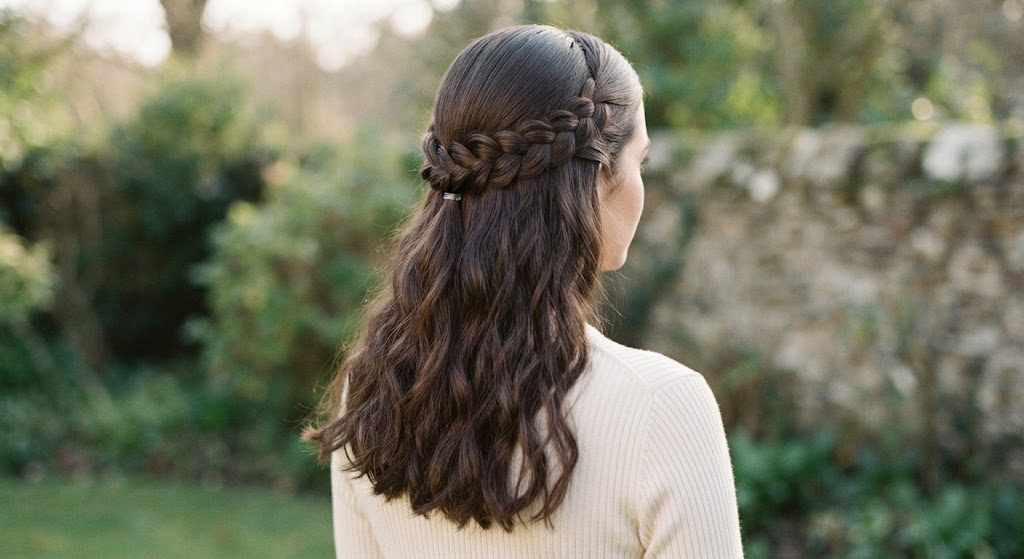
A half-up braid is ideal when you want your face clear while still leaving some hair down for a softer appearance. Hair from the front and upper sides is gathered toward the back, braided, and secured, while the remaining length stays loose. This structure helps keep shorter pieces away from the eyes without fully restricting the rest of the hair. It suits walking, stretching, light gym sessions, casual cycling, and everyday active routines. The contrast between the controlled upper section and flowing lower length creates an attractive shape. It is especially useful when a full updo feels too restrictive or formal.
For a more secure finish, start the braid slightly behind the hairline and use small sections that follow the natural direction of the head. A discreet elastic keeps the braid anchored without adding visual bulk. Wavy or curly hair can make the loose portion look especially textured, while straight hair gives a cleaner contrast. This style is less suitable for very high-impact sports because the remaining hair still moves freely, but it works well for lower-intensity activities and casual days. The result feels feminine, practical, and easy to personalize with a ribbon, small clip, or neutral elastic.
10. Rope Twist Ponytail
- Creates a sleek alternative to a standard ponytail.
- Keeps long hair compact and organized.
- Adds spiral texture without complicated braiding.
- Works well for workouts, cycling, and everyday active styling.
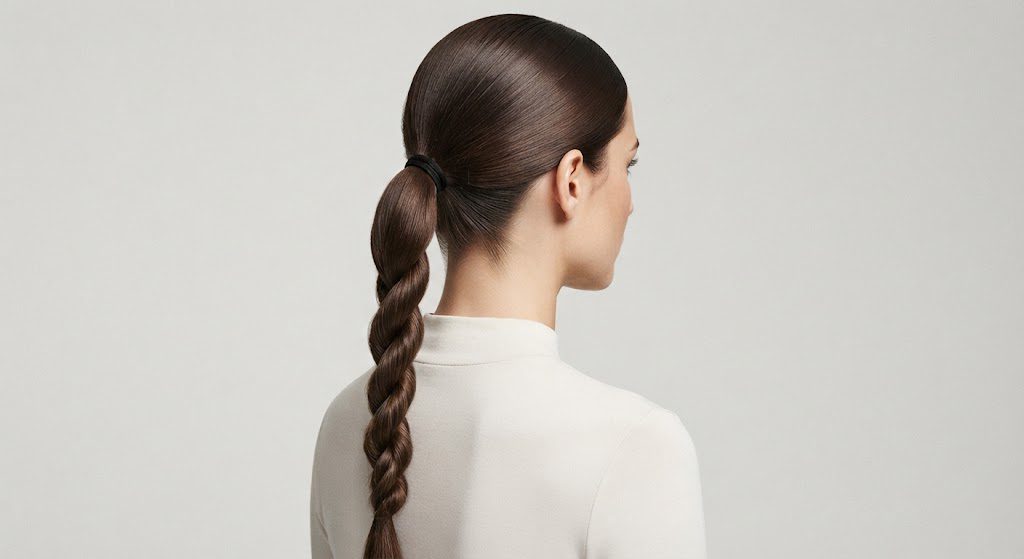
A rope twist ponytail creates a sleek, controlled shape with fewer steps than a full braid. The hair is gathered into a ponytail, divided into two sections, and twisted in the same direction before the sections are wrapped around each other in the opposite direction. This produces a clean spiral effect that keeps the length compact and organized. It works well for walking, gym training, cycling, dance practice, and casual outdoor activities. The twisted texture also gives straight hair more visual dimension. With the right elastic, the finished style can remain neat while still feeling lightweight and comfortable throughout the day.
The key to a stable rope twist is maintaining even tension from the base to the ends before securing the finished style. If the sections are twisted inconsistently, the rope can loosen quickly, especially with very smooth hair. A little texturizing spray can improve grip without making the hair feel sticky. I’ve noticed this style is particularly flattering when the ponytail sits around the middle or slightly lower on the head. It offers a sleek alternative to a standard ponytail and works nicely for workouts, casual appointments, travel days, and sporty outfits that benefit from a clean hairstyle.
11. Cornrow Ponytail
- Keeps hair structured closely against the scalp.
- Provides strong control during energetic movement.
- Creates detailed visual texture without loose front strands.
- Can be customized with different braid patterns.
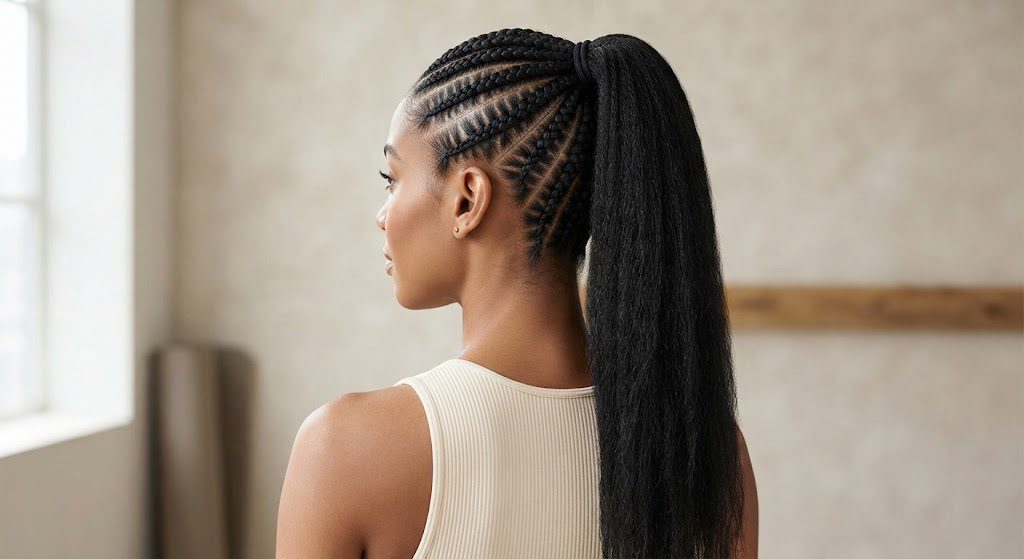
A cornrow ponytail provides structured control from the scalp while leaving the remaining length gathered into a practical ponytail. Several neat cornrows are created from the front toward the back, then joined into one secured ponytail. This design keeps hair organized close to the head and can reduce interference around the face during movement. It is especially suitable for sports, dance, training, and outdoor activities where a dependable hold matters. The parallel rows create strong visual definition, while the ponytail keeps the overall shape simple. It can be customized with different parting patterns, braid thicknesses, or understated accessories.
Because cornrows require close-to-scalp braiding, comfort should remain a priority throughout the styling process. The rows should feel secure but never painfully tight, particularly around the temples and hairline. Longer hair can be gathered into a high, medium, or low ponytail depending on the activity and personal preference. This style can remain neat for longer periods when maintained carefully, making it practical for busy schedules. A smooth finish looks especially striking in photographs, while textured lengths add contrast. It is a strong choice when you want athletic functionality paired with detailed, protective-looking styling.
12. Twisted Pigtails
- Divides the hair evenly for balanced control.
- Creates texture without requiring advanced braiding skills.
- Works nicely for casual sports and outdoor activities.
- Matching scrunchies can add a coordinated finish.
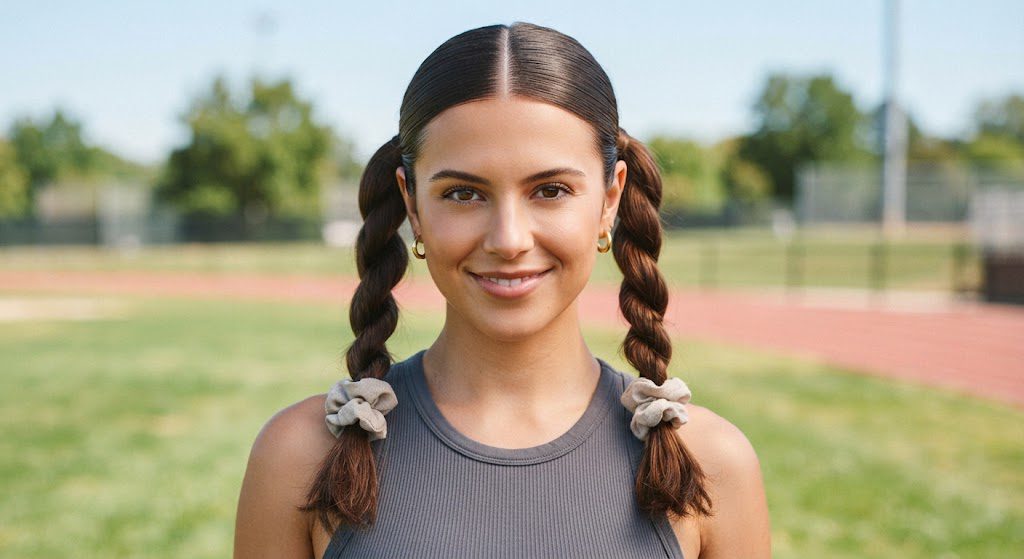
Twisted pigtails offer a youthful, energetic alternative to traditional twin ponytails while keeping the hair divided into manageable sections. Hair is parted evenly down the center, gathered into two low or medium ponytails, and twisted through the lengths before being secured. This arrangement reduces loose movement and keeps both sides visually balanced. It works well for walking, casual sports, outdoor games, cycling, and everyday active routines. The symmetrical shape also makes the hairstyle easy to coordinate with caps, athletic headbands, or colorful scrunchies. For medium-length hair, the twists create texture without requiring a complicated braiding technique.
To create a polished result, make the center part as even as possible and secure both sides at matching heights. Twisting each ponytail firmly before wrapping it back on itself helps the style hold its shape. Fine hair can benefit from slightly textured strands, while thicker hair may look better with wider twists and stronger elastics. The style is comfortable when the bases are not pulled too tightly, making it suitable for longer wear. It also transitions easily from active routines to casual plans, especially when finished with matching neutral elastics or small fabric scrunchies.
13. Headband Braid
- Keeps short front pieces away from the face.
- Creates a natural headband without an extra accessory.
- Leaves the remaining hair flexible and soft.
- Best suited to lighter activities and everyday movement.
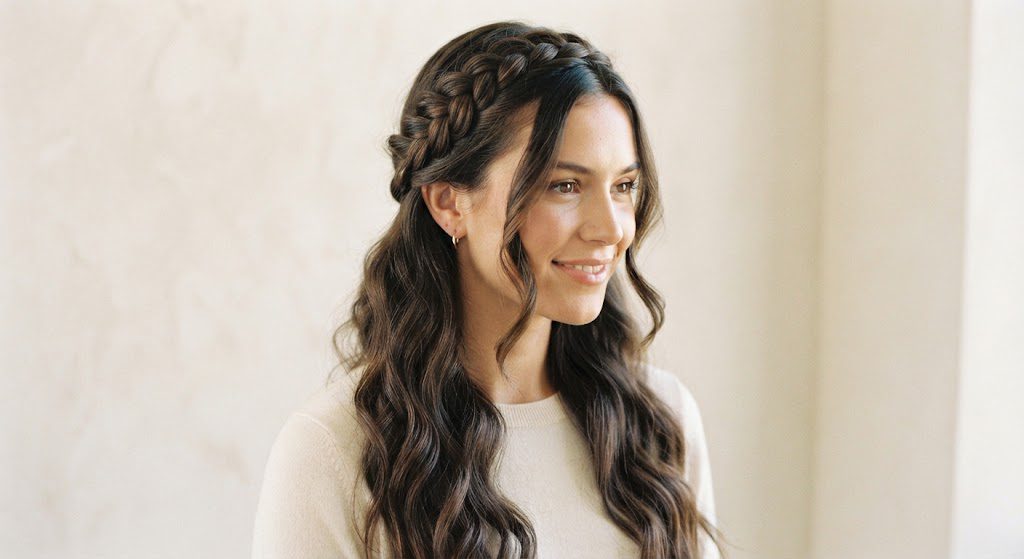
A headband braid creates a built-in way to keep front sections controlled while adding decorative detail around the face. A section near one side is braided and carried across the top of the head like a natural headband, then secured discreetly behind the opposite ear. The remaining hair can stay loose or be gathered into a ponytail for additional control. This makes the style useful for walking, yoga, casual training, and lighter activities. It is especially helpful for people who dislike hair falling forward but still want a softer alternative to a fully pulled-back hairstyle.
The braid should sit close enough to the hairline to catch shorter strands without pressing uncomfortably against the scalp. A few hidden pins can anchor it behind the ear, while the rest of the hair remains flexible. Wavy and curly textures give the braid a softer, fuller appearance, whereas straight hair creates a crisp, defined line. This option is less secure for high-impact sports than a full updo, but it performs well for moderate movement. It also works nicely for casual outings, outdoor cafés, weekend walks, and everyday styling when you want a functional detail that looks naturally pretty.
14. Slicked Back Bun
- Creates a clean silhouette with minimal loose hair.
- Keeps flyaways controlled around the face.
- Works especially well for dance, gym, and pilates.
- Can transition easily from workouts to casual plans.
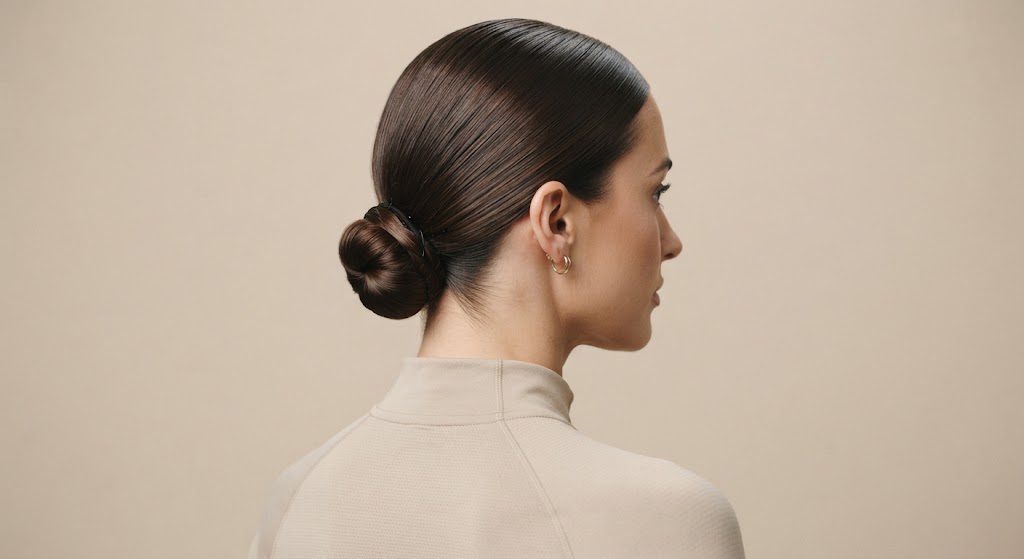
A slicked back bun creates one of the cleanest silhouettes for active styling, with the hair brushed smoothly away from the face and gathered into a compact bun. The polished surface helps control flyaways and creates a streamlined appearance from the front and sides. This option works especially well for gym sessions, dance practice, tennis, pilates, and casual sports where you want your hairstyle to look intentional. A low or medium bun can provide comfortable control, while a higher placement creates a sharper athletic profile. Lightweight gel or styling cream helps smooth the surface without requiring excessive product.
The most important detail is preparing the hair evenly before securing the bun, because bumps become more visible when the finish is deliberately sleek. Use a fine-tooth brush to smooth the crown, then secure the gathered hair before wrapping the length around its base. I’ve noticed that a small amount of edge control can make the hairline look especially polished without coating the entire hairstyle. Choose a comfortable elastic and avoid pulling tightly enough to create scalp discomfort. The result pairs beautifully with sporty clothing, simple makeup, and minimal accessories, making it useful both during exercise and afterward.
15. Boxer Braids
- Keeps the hair firmly secured from the hairline to the ends.
- Helps reduce movement during high-impact activities.
- Creates a strong, athletic appearance with clean symmetry.
- Works especially well for boxing, running, and intense workouts.
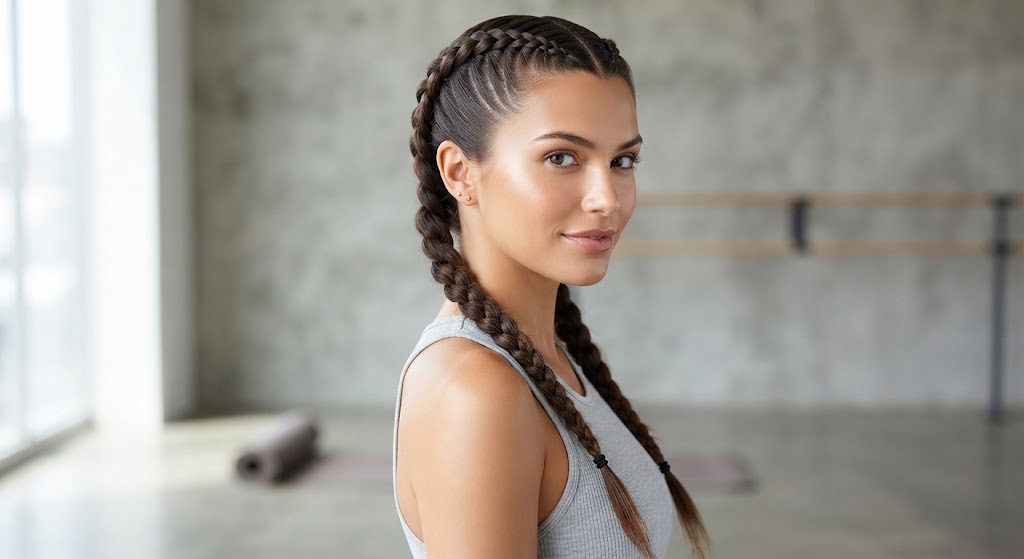
When you need serious hold without sacrificing style, boxer braids provide a dependable solution for active days. Two tight braids begin near the front hairline and continue evenly toward the ends, keeping the hair close to the head throughout movement. This makes them especially useful for running, boxing, martial arts, cycling, and high-intensity workouts where loose strands can quickly become distracting. The symmetrical design also creates a confident athletic appearance. Sports hairstyles for women often need to survive repeated movement, and this style is particularly effective because the braided structure distributes the hair securely rather than allowing one heavy ponytail to swing freely.
For the best result, divide the hair carefully and maintain consistent tension while braiding each side. Smooth sections near the scalp help create a clean finish, while slightly textured lengths can improve grip and make the braids appear fuller. Avoid making the braids painfully tight, especially around the temples and hairline. I’ve noticed that secure but comfortable braiding makes a major difference during longer training sessions. Small elastics at the ends keep everything contained, while a light styling product can control flyaways. The finished look works equally well for sports practice, outdoor activities, casual errands, and athletic-inspired outfits.
16. High Ponytail Braid
- Combines the lift of a ponytail with the security of a braid.
- Keeps long hair from swinging freely during movement.
- Creates a sleek, elongated silhouette.
- Suitable for running, tennis, and gym sessions.
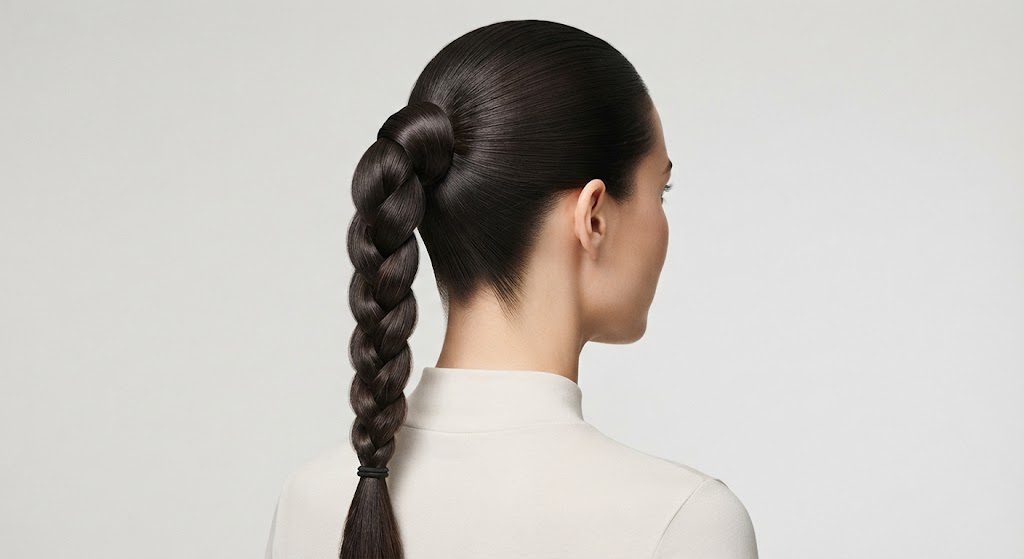
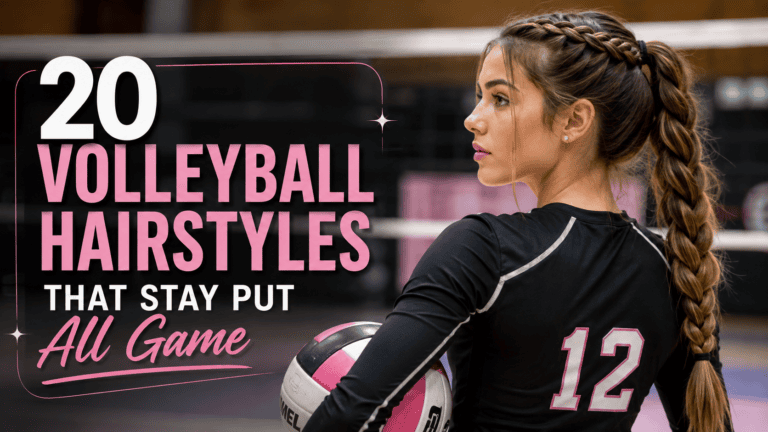
A high ponytail braid gives long hair the energetic lift of a ponytail while adding extra control through the braided length. The hair is gathered high at the crown, secured firmly, and then braided from the base to the ends. This reduces the swinging motion of loose ponytail hair and keeps the overall shape compact during exercise. The elevated position creates a sporty silhouette that works beautifully for running, tennis, volleyball, gym training, and dance. For anyone who finds ordinary ponytails too bouncy during movement, this version offers a practical upgrade while still looking polished and stylish.
To make the style last, smooth the crown before securing the ponytail and check that the base feels firm but comfortable. A small strand wrapped around the elastic can hide the fastening and create a more finished appearance. Straight hair produces a sleek braid, while naturally wavy hair adds texture and dimension. In my experience, braiding the ponytail fairly tightly helps prevent the lower section from becoming messy during active sessions. Use a snag-free elastic at the end and refresh the crown with a soft brush afterward. This versatile look works from early workouts through casual afternoon plans.
17. Side Braid Ponytail
- Keeps the hairstyle secure while adding asymmetrical detail.
- Places the braid comfortably over one shoulder.
- Helps control longer layers and textured ends.
- Works well for walking, cycling, and casual sports.
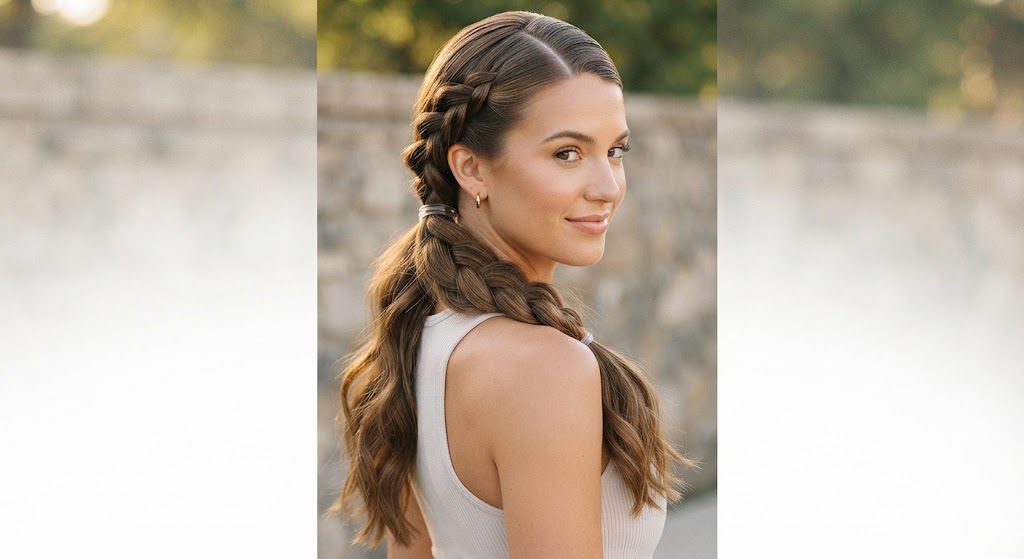
A side braid ponytail adds an attractive asymmetrical shape while keeping longer hair gathered and manageable. The hair is swept toward one side, secured into a ponytail, and braided through the length so it rests neatly over one shoulder. This positioning keeps the style away from the center of the back and creates a relaxed silhouette that feels less rigid than a high ponytail. It works particularly well for walking, casual cycling, hiking, stretching, and lighter sports. The braid also gives long or thick hair a defined structure, reducing the loose movement that can otherwise become distracting.
For a polished finish, begin with a clean side part and brush the hair smoothly toward the chosen side before securing it. The braid can remain compact for stronger control or be gently loosened for a fuller appearance. I’ve seen this style work beautifully with naturally wavy hair because the texture adds dimension around the braid without requiring much extra styling. A simple elastic keeps the ends secure, while a small scrunchie can introduce color or personality. This hairstyle is practical for active mornings and transitions naturally into casual outings, travel days, and relaxed weekend plans.
18. Claw Clip Twist
- Offers a quick solution for keeping medium-length hair contained.
- Creates an effortless twist without complicated braiding.
- Easy to remove and restyle between activities.
- Best suited to lighter workouts and casual movement.
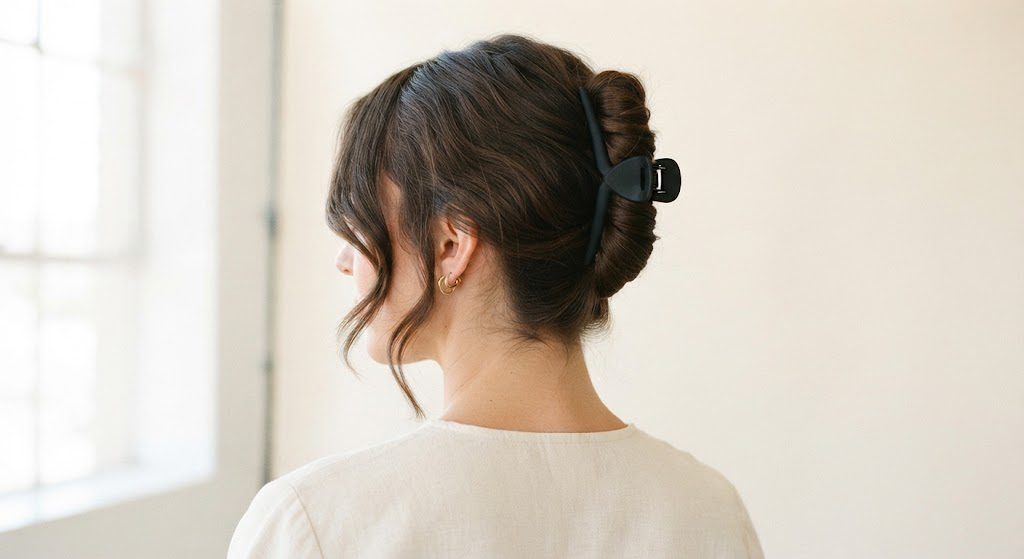
Need a quick hairstyle when you have almost no time to get ready? A claw clip twist gathers medium or long hair into a simple vertical twist and secures it with one sturdy clip. The result keeps most of the length off the neck while requiring far less styling time than a detailed braid. It works best for lighter activities such as walking, stretching, yoga, casual cycling, and everyday movement. The slightly relaxed finish also gives the hairstyle an effortless appearance. Choose a strong claw clip with wide teeth if your hair is thick or particularly long.
Although convenient, a claw clip is not ideal for high-impact sports because the clip can shift or become uncomfortable when you move rapidly. For casual activity, however, it provides an excellent balance of speed and appearance. Start by gathering the hair at the back, twist the length upward, and position the clip vertically across the twist. I’ve noticed that slightly textured hair usually holds this style better than freshly washed, very smooth strands. Leave a few soft pieces around the face if desired. This look is especially useful for quick errands, walks, stretching sessions, and relaxed outdoor activities.
19. Low Bubble Braid
- Keeps the hairstyle compact while maintaining visible texture.
- Places the weight lower for a relaxed feel.
- Works nicely with long and thick hair.
- Adds playful detail without requiring advanced braiding.
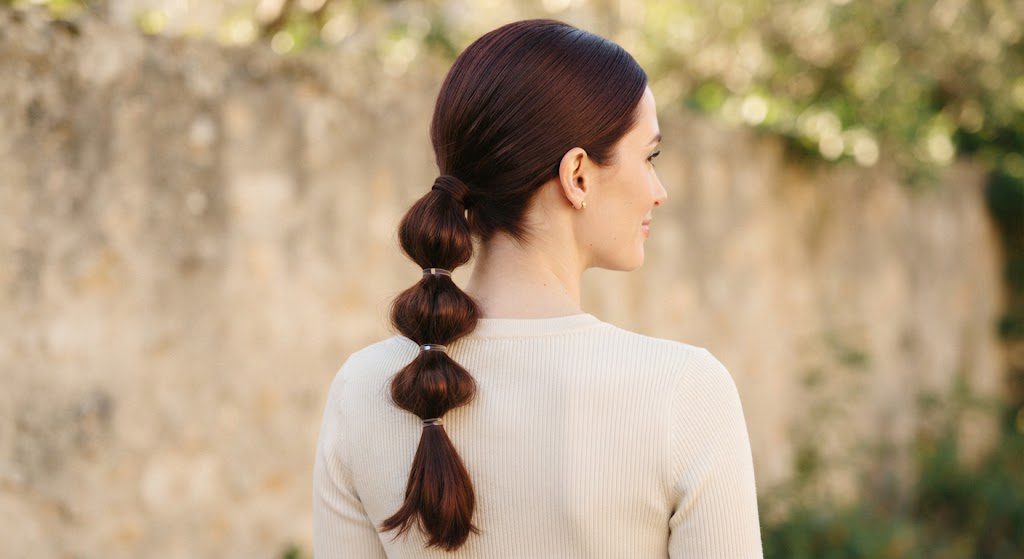
A low bubble braid offers a practical way to organize long hair while keeping the overall hairstyle relaxed and comfortable. The hair begins in a low ponytail near the nape, then several elastics are placed down the length to form rounded bubble sections. Unlike a traditional braid, this technique requires no intricate weaving, making it accessible for quick styling. The lower placement keeps the hairstyle visually balanced and can feel less restrictive around the crown. It works well for walking, hiking, casual cycling, stretching, and everyday active routines where moderate control is enough.
The size of each bubble can be adjusted according to hair length and thickness. Smaller sections create a tighter, more structured appearance, while larger bubbles produce a softer and fuller result. Use elastics that grip securely without snagging the hair, and gently pull each section outward for additional volume. I’ve noticed that this technique is particularly useful for long hair that becomes tangled when left completely loose. It also gives simple athletic clothing a playful visual detail. For moderate activities and casual plans, the low bubble braid provides a comfortable combination of texture, control, and easy styling.
20. Dutch Braid Bun
- Combines detailed braiding with compact bun styling.
- Keeps both the scalp area and ends controlled.
- Works especially well for dance and demanding training.
- Creates a polished hairstyle from every angle.
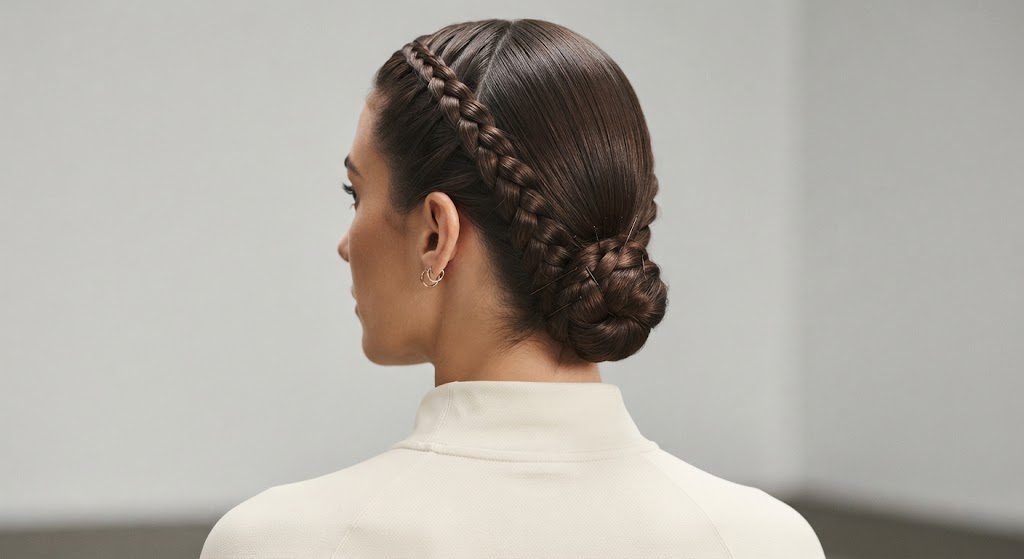
A Dutch braid bun combines the strong structure of braiding with the compact control of a bun, making it especially useful when you want very little loose hair. Two Dutch braids begin near the front and travel toward the back, where the remaining lengths are gathered and wrapped into a secure bun. The raised braid pattern adds dimension while keeping the sides and crown organized. This makes the style suitable for dance, gym training, tennis, hiking, and other activities requiring consistent control. It also creates a polished shape that looks equally attractive from the front, side, and back.
For a secure finish, keep the braid sections even and gather them carefully before forming the bun. Bobby pins should cross through the bun and into the underlying hair so the structure stays anchored during movement. If your hair is fine, lightly teasing the length can provide additional grip, while thick hair may need several larger pins. That’s why many hairstylists recommend choosing accessories according to hair density rather than using excessive tension. The result is refined but functional, offering excellent control for active routines. It can also transition beautifully into casual social plans after the workout.
21. Messy Sporty Bun
- Keeps hair off the face and neck with minimal effort.
- Works well when a polished finish is unnecessary.
- Adds relaxed texture to sporty outfits.
- Ideal for quick workouts and casual outdoor activities.
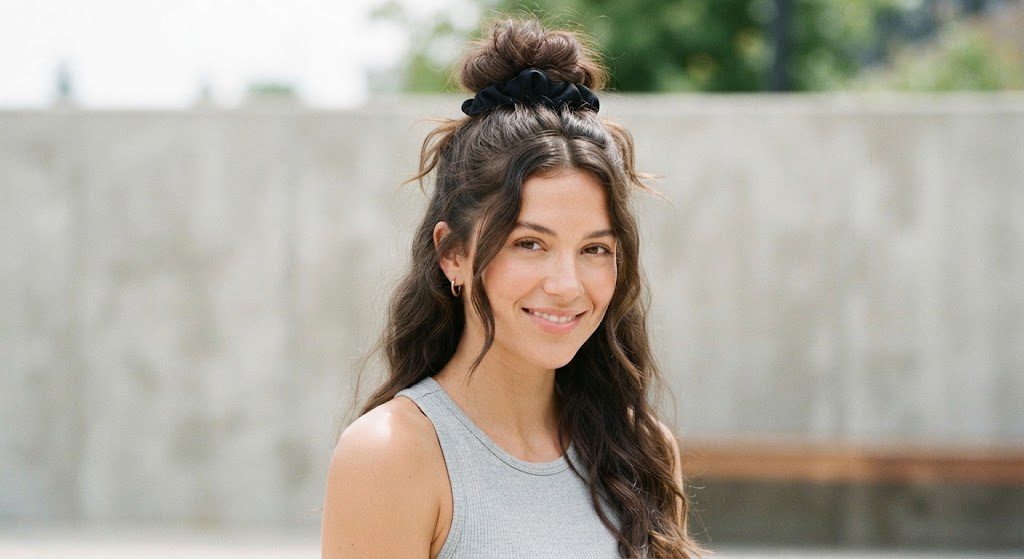
A messy sporty bun is perfect for days when speed and comfort matter more than a perfectly polished finish. The hair is gathered high or at mid-height and wrapped loosely into a bun, with a few controlled pieces left around the face and neck. The relaxed texture makes it easy to create without precise sectioning or detailed braiding. It works well for quick gym sessions, walking, stretching, casual sports, and outdoor activities. The elevated shape keeps much of the hair away from the face while giving athletic outfits a natural, effortless appearance that feels less formal than a sleek bun.
The key is making the bun secure without removing all of its relaxed texture. Gather the hair with your hands rather than brushing every strand perfectly, then twist and wrap the length before fastening it with a soft scrunchie. If some pieces fall naturally, they can become part of the intended look. I’ve noticed that slightly wavy or second-day hair often holds this style particularly well because the added texture provides grip. For high-impact sports, use additional pins for stability. Otherwise, this easy hairstyle is excellent for casual workouts, errands, walks, and relaxed everyday styling.
22. Braided Space Buns
- Divides the hair into two balanced, secure sections.
- Keeps the lengths compact and away from the face.
- Adds playful visual structure to athletic styling.
- Great for dance, skating, and energetic activities.
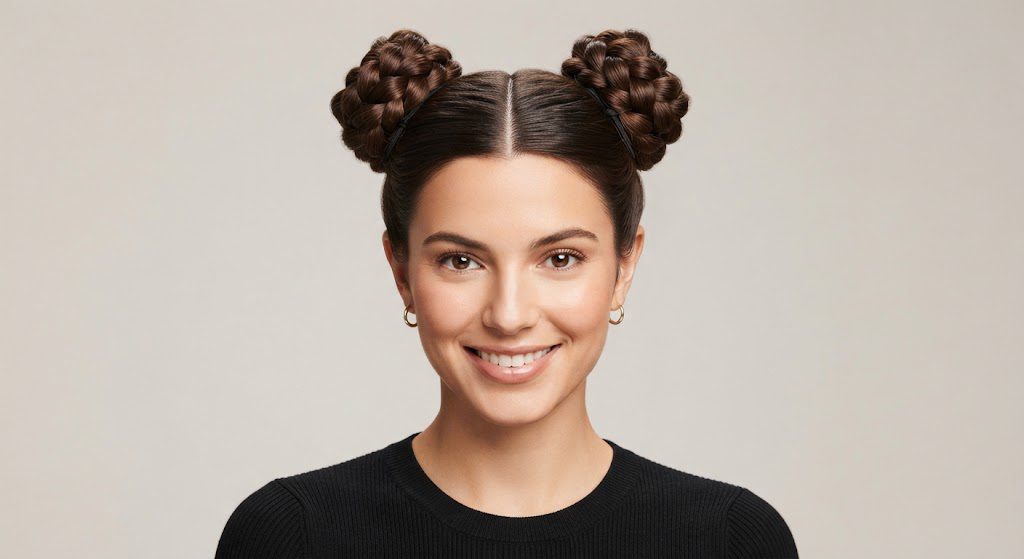
Braided space buns bring together strong control and playful symmetry, making them a fun option for energetic activities. The hair is divided into two equal sections, each formed into a braid before being wrapped into a compact bun on either side of the head. This keeps the length concentrated and prevents loose strands from falling around the face or neck. The balanced placement works especially well for dance, skating, casual sports, festivals, and active outdoor days. The braided texture also makes the buns look more defined than simple twisted versions, giving the overall hairstyle a distinctive sporty character.
To keep both buns balanced, create a precise center part and check that the bases sit at similar heights before securing them. Braiding each side first provides extra structure and can help thicker hair stay compact. Use comfortable elastics and discreet pins to anchor the buns without creating excessive pressure. In my experience, slightly textured hair holds space buns more reliably than very smooth freshly washed hair. The style can be kept sleek or softened with a few face-framing strands. It is especially effective when you want a hairstyle that feels energetic, youthful, practical, and visually memorable.
23. Ponytail With Headband
- Keeps sweat and shorter strands away from the face.
- Adds extra security to a simple ponytail.
- Works across different hair lengths and textures.
- Suitable for running, gym workouts, and outdoor sports.
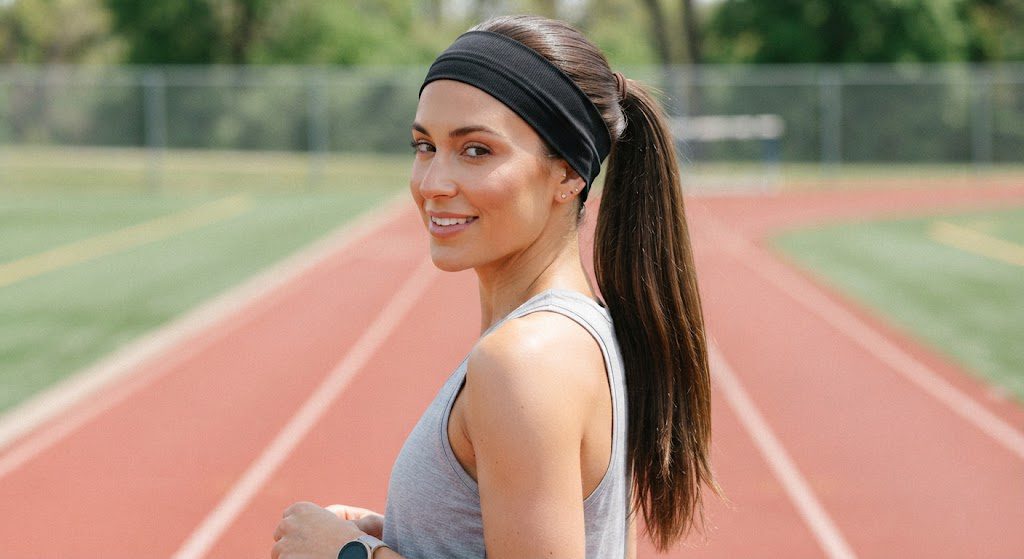
A ponytail with a headband combines simple hair control with extra support around the hairline, making it one of the easiest active combinations to recreate. The hair is gathered into a secure medium or high ponytail while a comfortable athletic headband sits across the forehead or just behind the hairline. The ponytail controls the longer length, while the headband helps manage shorter strands and flyaways. This makes the combination useful for running, gym workouts, cycling, tennis, hiking, and outdoor sports. It also works across straight, wavy, and lightly curly textures with only small adjustments.
Choose a headband that grips gently rather than pressing tightly, especially when you plan to wear it for an extended period. A wide fabric band can provide more coverage, while a narrow elastic style creates a lighter appearance. Secure the ponytail with a snag-free elastic and position it according to your activity and comfort. I’ve noticed that matching the headband to athletic clothing can make a basic ponytail look much more intentional. The finished combination is practical, easy to refresh, and suitable for busy mornings when you need reliable control without spending much time styling your hair.
Conclusion
The right sports hairstyle can make a big difference when you want to stay comfortable, confident, and focused during every workout or game. From sleek ponytails and classic braids to secure buns and practical protective styles, these 23 sports hairstyles for women offer plenty of options for different hair lengths, textures, and activities. Choose a style that keeps your hair out of your face, feels comfortable, and stays secure from warm-up to cool-down. With the right hairstyle, you can spend less time fixing your hair and more time enjoying your sport.
you may also like to read our 20 Spooky Gothic Hairstyles For A Dark Fall Look