
20 Soft Layered Winter Haircuts For A Cozy Look
Introduction
You lose about 50 to 100 strands of hair every day, but winter dryness often makes those ends look brittle and flat. Choosing soft layered winter haircuts is the smartest way to breathe life back into your style when the temperature drops. These cuts rely on blended elevation rather than sharp, heavy lines, which prevents the bulky, weighed-down look that winter hats often cause. By using texturizing shears to soften the edges, your stylist creates movement that survives even the toughest cold weather conditions.
Transitioning into current winter hair trends is simple when you opt for styles that prioritize natural flow. Whether you prefer a shoulder length lob or a modern shag with curtain bangs, these layered shapes work with your hair texture to minimize daily styling time. They offer the perfect balance of volume and manageability, making them a top choice for anyone tired of fighting winter static.
Defining Soft Layers

You sit in the salon chair hoping for a fresh change, but you worry your hair might end up looking messy or uneven. Soft layered winter haircuts bridge the gap between a classic blunt cut and an edgy shag. Unlike choppy cuts that use aggressive razor techniques to create visible steps, soft layers rely on blended elevation to melt one length into the next. This creates a gentle cascade of hair that moves naturally rather than sitting in distinct, shelf-like tiers.
The main difference lies in the tool and the technique. A choppy cut often features sharp ends that can look dry or frayed, especially during the winter months. Soft layers are typically cut using texturizing shears to remove weight from the inside of the hair shaft. This allows the ends to taper gracefully. By keeping the ends full and healthy, you avoid that brittle appearance that often plagues fine hair when the air turns cold and dry.
When you talk to your stylist, avoid asking for heavy thinning. Instead, explain that you want a seamless transition between your shortest face-framing pieces and your longest layers. You can bring a photo of a shoulder length layered lob to show the exact level of movement you prefer. Use these phrases to get the best result:
- I want my layers to look blended rather than distinct or shattered.
- Please keep the ends blunt so the style remains polished and full.
- I need face-framing pieces that grow out softly without needing a trim every 4 weeks.
Focusing on these soft transitions makes your hair much easier to manage under winter hats. Since the layers are not aggressive, your hair will snap back into place with just a quick finger-comb after you remove your beanie. It is a practical way to keep your style looking intentional all season long.
Why Soft Layers Suit Winter

Do you struggle with hair that feels heavy, flat, or frizzy as soon as the temperature drops? Choosing soft layered winter haircuts is the most effective way to remove excess weight while keeping your hair looking full and healthy. Unlike blunt cuts that trap cold air and feel overly dense, soft layers create movement and allow your hair to bounce back even after you take off a thick wool beanie.
The secret lies in the cutting technique. Your stylist should use texturizing shears to soften the ends rather than a razor, which can sometimes make hair prone to breakage in dry air. By focusing on blended elevation, the layers transition gradually. This approach prevents that dreaded choppy look and keeps your hair looking polished throughout the coldest months of the year.
Winter air is notoriously dry, which often leads to static and brittle ends. Soft layers help manage this because they reduce the total volume of hair that rubs against your scarves and high collars. When you have less friction, you have less static. To keep these cuts looking their best, try applying 2 drops of lightweight hair oil to your mid-lengths and ends every morning. This simple step seals the cuticle and prevents the dry, flyaway look that often ruins a fresh style.
- Shoulder length layered lob styles stay away from sweater collars to prevent tangles.
- Face framing layers for winter soften your features when the skin looks pale.
- Curtain bangs add shape to your face without requiring daily heat styling.
If you have fine hair, these cuts are a game changer because they build internal volume. Your hair will feel lighter, move more naturally, and stay manageable when the humidity disappears. A well-executed cut keeps your style looking intentional rather than limp, which is exactly what you need when the weather forces you to spend more time indoors.
Long Layered Styles

Many assume long hair must be blunt to look healthy in the cold, but soft layered winter haircuts actually help your hair move better under heavy scarves. While a single length can drag your face down, adding blended elevation prevents the heavy, boxy look that often happens when humidity drops. These styles rely on soft internal graduation rather than sharp lines, making them perfect for those who want movement without losing their total length.
To keep your hair from looking thin during the dry winter months, your stylist should use texturizing shears to soften the ends instead of a traditional razor. This creates a weightless finish that allows your natural texture to shine. If you have fine hair, ask for layers that start near your chin to maintain the appearance of density while creating a modern, airy shape.
Managing volume is a common struggle when the air gets dry and static sets in. Try these steps to keep your hair bouncy:
- Apply a pea-sized amount of volumizing mousse to damp roots before you blow dry with a 2 inch round brush to lift the hair away from your scalp.
- Use a lightweight hair oil only on the bottom three inches of your hair to seal in moisture and prevent flyaways caused by wool hats.
- Switch to a silk pillowcase to reduce friction, which helps maintain the shape of your layers for up to 6 weeks between professional trims.
- Refresh flat roots midday by spraying a tiny amount of dry shampoo, then flipping your head over to shake out the layers for instant volume.
When asking for this look, tell your stylist you want soft, blended transitions rather than distinct, choppy tiers. This ensures your cut stays polished enough for holiday events but remains easy to style on casual mornings.
Shoulder Length Lobs

I have noticed that a shoulder length layered lob is the most reliable choice for women who want a chic change without losing the ability to tie their hair back. This style sits perfectly at the collarbone, which keeps your hair from constantly rubbing against thick wool scarves or high collars during the coldest months.
These soft layered winter haircuts remain popular because they bridge the gap between short and long hair. By keeping the length around 10 inches, you maintain enough weight to avoid the puffiness that often happens when hair gets too short in dry air. A lob offers a clean, polished look that works just as well for office meetings as it does for casual holiday gatherings.
To get the right amount of bounce, ask your stylist to use texturizing shears near the nape of your neck. This technique removes excess bulk from the bottom edge of the hair, which creates a softer line instead of a blunt, heavy finish. It allows the ends to tuck inward naturally, helping your hair keep its shape even after you take off a winter beanie.
This specific layering method is a game changer if you struggle with static electricity. Because the shears thin out the ends, the hair does not bunch up or create friction against your winter coats. To keep the movement alive, apply a pea sized amount of hair oil to your damp ends before blow drying. This prevents the ends from becoming brittle in low humidity. You should aim for a trim every 8 weeks to keep these layers blended and fresh. If you want a bit more volume at the roots, a quick spritz of volumizing mousse before drying will hold the style in place all day long.
Modern Shag Cuts

Use a light mist of heat protectant before blow-drying to stop the static buildup that often happens with winter air. A modern shag is one of the most effective soft layered winter haircuts because it relies on lived-in texture rather than stiff, precise lines. By using texturizing shears to remove weight from the mid-lengths, your stylist creates a shape that stays bouncy even under a heavy wool beanie.
Adding curtain bangs to this cut frames your face without requiring a high-maintenance trim schedule. These bangs act as a soft transition point between your shorter layers and the rest of your hair. When you pull your hair back into a ponytail, those fringe pieces stay out, keeping your look polished and intentional. I have found that asking for a soft interior graduation helps prevent the ends from looking too thin or wispy during the dry winter months.
This shape is especially kind to natural hair patterns. Because the cut relies on varied lengths, it works with your natural wave or curl rather than fighting against it. If you have fine hair, the shag provides the internal structure needed to create volume without needing a heavy product load. You only need about 2 pumps of volumizing mousse applied to damp roots to build lasting lift.
For the best results, aim for a trim every 8 to 10 weeks to keep the ends looking healthy and blunt. Unlike traditional choppy shags that look blunt and aggressive, this version uses blended elevation to ensure the layers melt into one another. It is the perfect balance for anyone wanting an edgy style that still feels approachable and soft for the holiday season.
Face Framing Layers

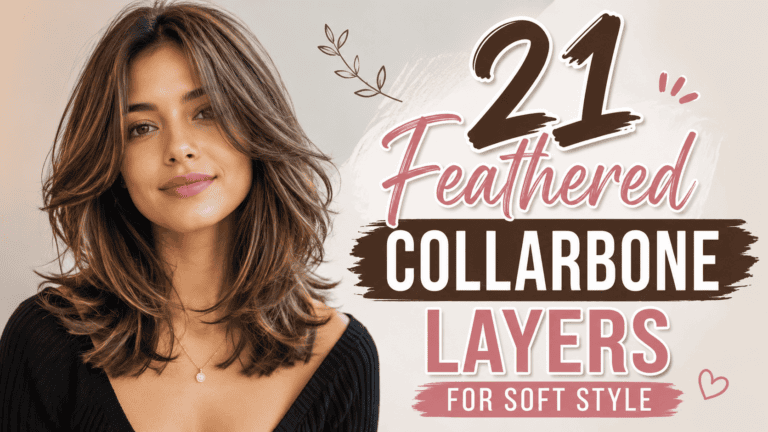
Adding face framing layers is the best way to keep your hair looking polished while you bundle up for colder months. These soft layered winter haircuts prevent your hair from feeling heavy or flat against your face when you wear high collars and scarves. By removing weight around the chin and cheekbones, you create movement that helps your hair bounce back even after you take off a tight beanie.
If you have a round face, ask your stylist to start the layers just below the jawline to elongate your features. Those with oval or heart shaped faces look great with shorter, wispy layers that hit near the cheekbones. These face framing layers for winter work well on almost any length, including a shoulder length layered lob or a longer cut. The key is to ask for blended elevation rather than blunt, choppy cuts. This ensures the hair transitions smoothly without looking harsh or disconnected.
When you sit in the salon chair, you can request that your stylist uses texturizing shears to soften the ends. This technique removes bulk while keeping the hair feeling thick and healthy. It also helps manage winter static. If you have fine hair, these layers add necessary volume that stays put throughout the day. I find that using just 1 pump of high quality hair oil on the ends keeps the layers looking sleek and prevents them from looking frizzy in dry air.
- Round faces benefit from layers starting at the chin.
- Heart shaped faces look best with shorter pieces near the eyes.
- Oval faces handle almost any placement of face framing pieces.
- Always ask for soft, blended edges to avoid a chunky look.
Managing Static In Layers

You can spend $30 on a high-end anti-static spray or just $8 on a simple bottle of argan hair oil to get the same results. Using a tiny drop of oil on your palms before smoothing them over your ends is the most effective way to prevent winter static. In my experience, focusing the product only on the bottom two inches keeps your hair from looking greasy while neutralizing the electric charge caused by dry indoor heat and wool scarves.
Choosing soft layered winter haircuts naturally reduces the amount of static you encounter compared to heavy, blunt cuts. A blunt edge creates a solid wall of hair that catches air and friction easily. Because blunt ends are all the same length, they tend to move as one unit, which makes them prone to sticking to your coat or neck. When you opt for blended layers for fine hair, the hair strands move independently. This movement breaks up the surface area and prevents the massive static buildup that happens with a solid, one-length style.
I have found that these softer shapes handle the transition from cold outdoor air to dry heating systems much better. If you have a shoulder length layered lob or a shag, the hair pieces are shorter and lighter. They do not have enough weight to cling to your clothes with the same intensity as a heavy, blunt bob. Even if your hair is fine, the graduation in the layers helps air circulate through the strands. This extra airflow is exactly what you need to stop static before it starts. If you still see flyaways, keep a small bottle of oil in your bag for a quick touch-up during the day.
Refreshing Flat Winter Hair

Static electricity causes hair to lose 40 percent of its natural lift during the colder months. Wearing a beanie often flattens your style, but choosing **soft layered winter haircuts** makes bouncing back much easier than with a blunt cut. Because the hair is cut at varying lengths, the weight is distributed evenly, which prevents that heavy, pasted-down look you get after removing a wool hat.
To revive your hair in under 60 seconds, reach for a high-quality dry shampoo. Focus the spray only on the roots, wait 30 seconds, and then massage it in with your fingertips. This simple step absorbs excess oil and creates a grit that keeps the hair off your scalp. If you have fine hair, look for a formula that adds texture without leaving a white residue behind.
Once your roots have volume, focus on the ends. Use a round brush to gently flick the bottom layers outward or inward, depending on your preferred shape. If you have a **shoulder length layered lob**, this quick motion adds movement that hides any creases left by your hat. Avoid using high heat settings, as winter air is already dry and can lead to breakage. Always apply a dime-sized amount of **heat protectant** before styling to keep those delicate ends healthy.
If your layers feel lifeless by midday, flip your head upside down and give your hair a quick shake. This movement resets the layers and restores the natural shape of your cut. Keeping a travel-sized bottle of dry shampoo in your bag ensures you can refresh your look anywhere, keeping your style bouncy and full regardless of the weather outside.
Styling Soft Layered Cuts

You just finished a long day at work, but your dinner plans mean you need a quick refresh for your hair. Transitioning soft layered winter haircuts from a casual daytime look to a festive holiday style is easier than you think. Start by flipping your head upside down and shaking out the roots to reactivate the volume. If your hair feels a bit flat from wearing a hat, use 3 sprays of dry shampoo at the crown to absorb oil and create instant lift.
Apply a small palm-sized amount of volumizing mousse to damp hair before you blow dry to ensure your style lasts through the evening. This product adds grit and hold, which keeps those soft layers from falling flat in the cold air. Using a round brush with a 2-inch barrel helps smooth the ends while maintaining the bounce that gives your cut its character. If you want more movement, focus the airflow toward the roots while pulling the hair upward and away from the face.
- Distribute the mousse evenly from roots to mid-lengths before styling.
- Use a lightweight hair oil on the ends to prevent static caused by winter dryness.
- Refresh your curtain bangs by quickly curling them away from your face with a flat iron.
- Smooth any flyaways with a tiny drop of serum to keep the layers looking polished.
Soft layers react differently to heat than blunt ends, so keep your styling tool temperature below 350 degrees to protect your hair health. This approach keeps the hair looking healthy and bouncy for any holiday event. Once you have the shape set, a light mist of flexible hold hairspray keeps everything in place without making the hair feel stiff or crunchy.
Maintaining Soft Layered Cuts

Do you want your hair to stay bouncy through the coldest months? To keep your soft layered winter haircuts looking fresh, book a trim every 8 to 10 weeks. This schedule prevents split ends from traveling up the hair shaft, which is vital when the air turns dry and brittle. When you see your stylist, ask them to use texturizing shears instead of a razor to maintain that soft, blended edge. This technique keeps the layers from looking too choppy or blunt, ensuring your hair retains natural movement even when the air is still.
Winter weather often leads to a dry, itchy scalp due to low humidity and indoor heating. You should start using a hydrating scalp serum or a lightweight hair oil twice a week to lock in moisture at the roots. If you notice your scalp feeling tight, switch to a sulfate-free shampoo to avoid stripping away natural oils that protect your hair during winter. A clean, healthy scalp is the foundation for the volume and bounce that define a great layered style.
Managing static is another challenge for anyone wearing long layered haircuts for winter. To keep your style from sticking to your coat or hat, try these practical steps:
- Apply a pea-sized amount of heat protectant before using your round brush to smooth out layers.
- Use a light mist of water or a tiny drop of hair oil on your palms to tame flyaways instantly.
- Avoid over-washing your hair, as frequent cleansing removes the natural barrier that keeps winter static at bay.
- Keep a small bottle of dry shampoo in your bag to refresh your roots and add volume after you remove your winter hat.
By focusing on moisture and consistent shaping, your layers will remain soft and manageable until spring arrives.
For another perspective, this detailed piece on 19 Cool Winter Haircuts to Try This Season is worth a read.
FAQ
How do I ask for soft layers without technical jargon?
Many people think you need complex terminology to get a great result, but a simple reference photo is usually enough. Just tell your stylist you want soft layered winter haircuts that focus on movement rather than harsh lines, and ask them to avoid using a razor if you prefer a smoother finish.
Can fine hair benefit from these layered styles?
Fine hair actually thrives with these cuts because strategic weight removal creates the illusion of fullness. Ask your stylist to use blended elevation to ensure the layers don’t look disconnected, which keeps your ends looking thick and healthy during the colder months.
What makes a layer soft versus choppy?
Choppy layers often have blunt, distinct ends while soft layers are cut with texturizing shears to create a feathered effect. This technique softens the transition between hair lengths and prevents the hair from looking shelf-like or overly severe.
How do these cuts help with winter static?
Layers can sometimes catch more static than a blunt cut, but keeping your hair hydrated makes a massive difference. Applying a pea-sized amount of hair oil to your mid-lengths and ends every morning helps manage flyaways and keeps your layers looking smooth under wool hats.
What is the recommended maintenance schedule?
You should plan to visit your stylist every 8 to 10 weeks to keep the shape fresh. Consistent trims are essential for soft layered winter haircuts because they prevent split ends from traveling up the hair shaft and ruining the flow of your style.
You might also like: 20 Soft Layered Winter Haircuts For A Cozy Look
Key Takeaways
I have found that shifting to a lighter, more fluid shape is the best way to avoid the heavy, flat look that often comes with wearing hats during the colder months.
- Soft layered winter haircuts offer natural movement and prevent hair from clinging to your face due to seasonal static.
- Curtain bangs act as a simple frame for your face while allowing for easy growth during the mid-winter months.
- Low maintenance styles like the shoulder length lob require a professional trim every 8 weeks to keep the ends looking healthy.
- Using heat protectant is essential when you use hot tools to add volume to your layers after wearing a beanie.
- Blended layers help fine hair look fuller without the need for excessive amounts of heavy styling products.
- Hair oil applied to the ends keeps your style looking fresh and hydrated despite the dry indoor heating.
Save this guide to your Pinterest board for your next salon visit.