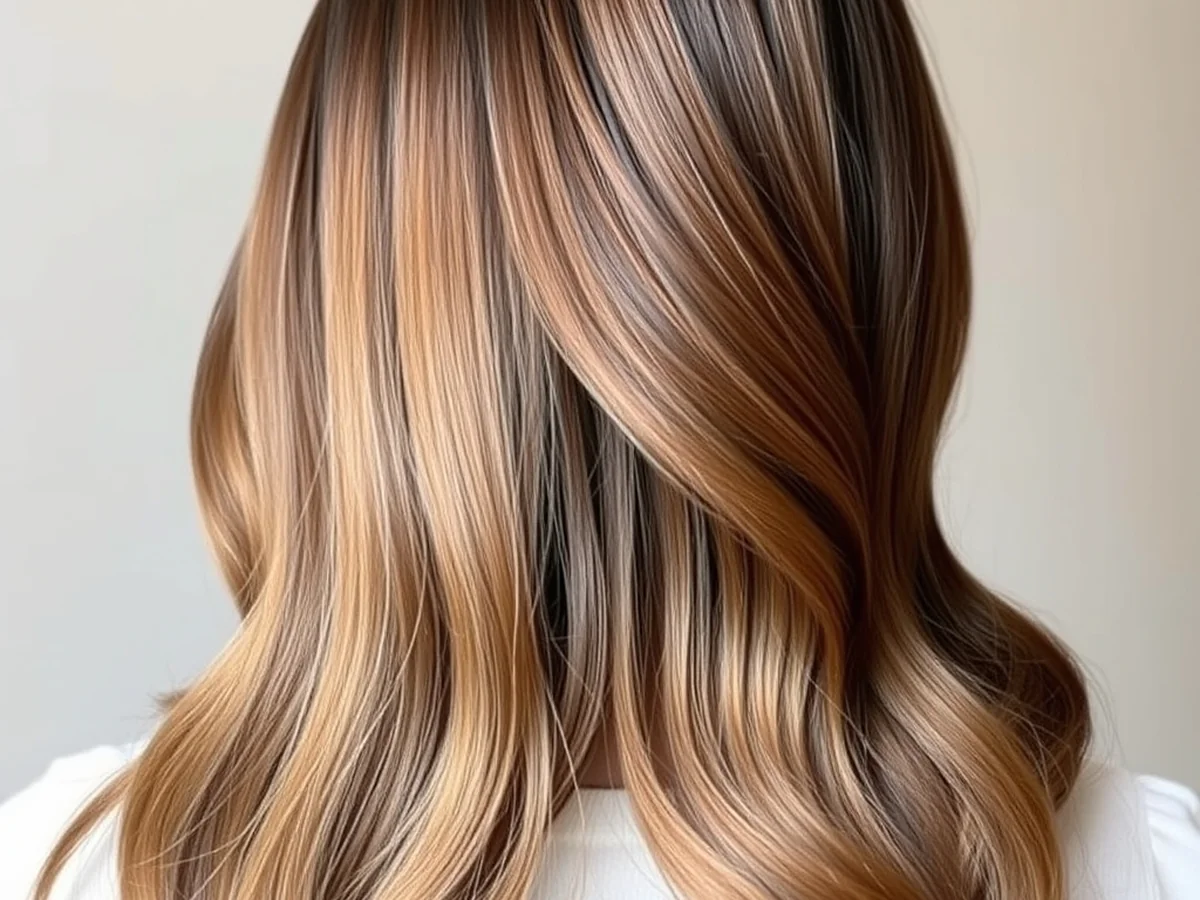
20 Air Dry Layers For An Effortless Hair Look
Introduction
Switching to air dry layers can save you roughly 20 minutes of styling time every single morning while protecting your strands from heat damage. Skipping the blow dryer preserves your natural moisture levels, which helps prevent split ends and keeps your hair cuticle smooth. When you choose the right cut, you don’t need hot tools to get a polished, salon-quality shape.
Layers are essential for effortless air dry hairstyles because they remove excess weight that often pulls your natural texture flat. By distributing volume strategically, these cuts allow air to circulate through your hair more effectively, leading to a faster drying time. Whether you have fine hair that needs a boost or thick waves that tend to get puffy, incorporating low maintenance layered haircuts into your routine makes a massive difference in how your hair behaves.
- Layers create natural movement and bounce.
- Strategic cuts stop hair from drying into a heavy triangle shape.
- Proper layering helps define your unique curl or wave pattern.
Long Face-Framing Air Dry Layers
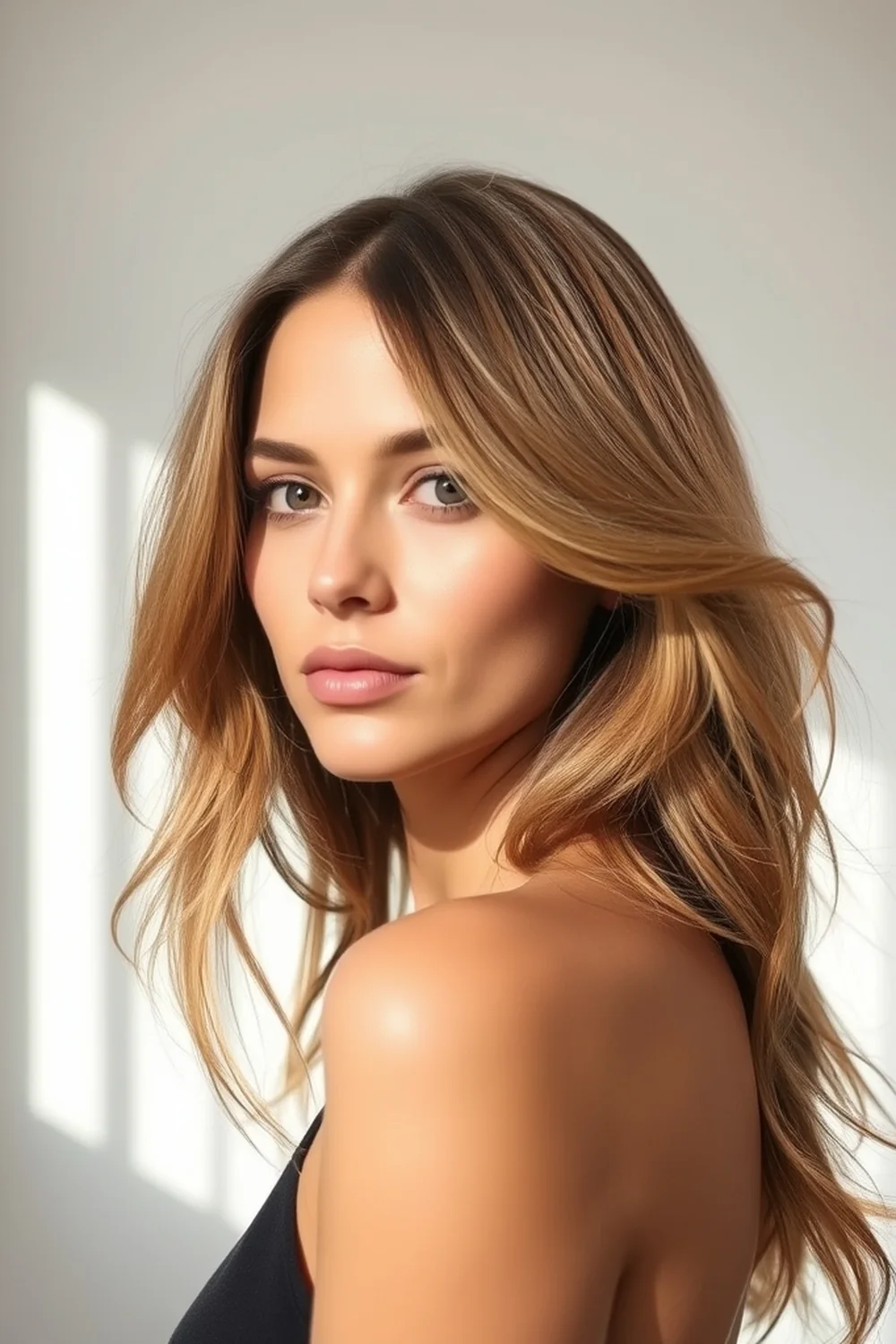
You probably spend too much time trying to fix your hair after a shower, but long face-framing air dry layers take the stress out of your morning. These soft layers around the jawline naturally guide your hair to fall toward your face, creating a flattering shape that works without any heat tools. Because these pieces are shorter than the rest of your hair, they dry faster and provide instant movement.
This style is the best for elongating round faces because the vertical lines draw the eye downward. If you want to keep the look clean, apply a small amount of texturizing cream while your hair is damp. Use a wide-tooth comb to distribute the product evenly before letting it set. I find that keeping these layers at least 6 inches long makes them much easier to tuck behind your ears if you need them out of your way.
Shag Style Air Dry Layers
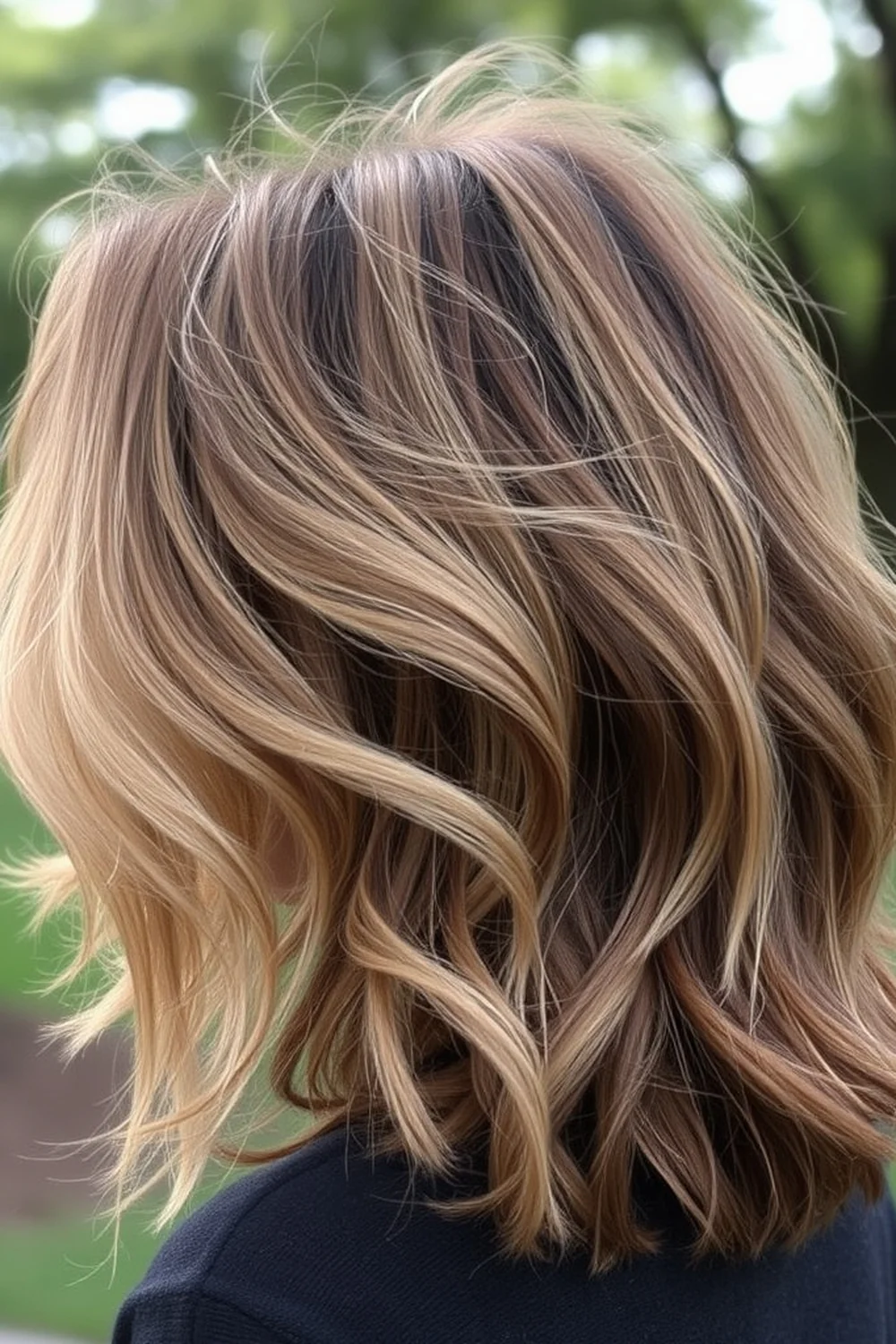
Do you want a style that embraces your natural wave pattern without needing a blow dryer? A shag cut is one of the best haircuts for air drying because it relies on choppy layers for volume to do the heavy lifting for you. These shorter pieces remove weight from the crown, which helps your hair air dry faster while creating a lived-in, rock-and-roll aesthetic. Since the layers are intentionally messy, you don’t have to worry about achieving a perfectly smooth finish.
To style these air dry layers, apply a small amount of texturizing cream to damp strands using a wide-tooth comb. I find that using exactly 2 pumps of product works best to define waves without causing crunchiness. This cut is ideal for adding movement to waves and prevents your hair from falling flat as it dries naturally.
Curtain Bang Air Dry Layers
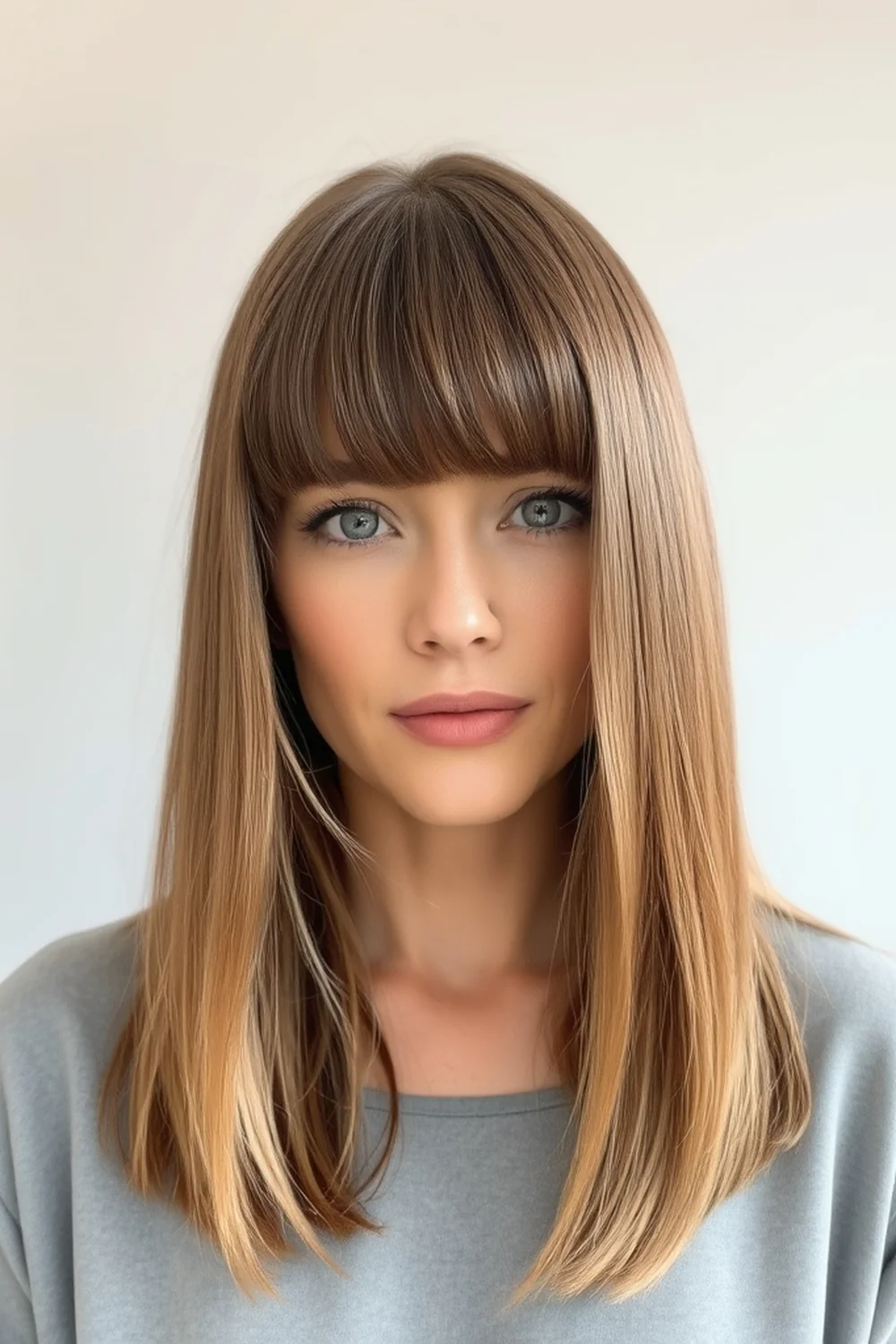
You might think curtain bangs require a round brush and high heat to sit right, but you can achieve a polished look using only air dry layers. These face-framing pieces actually settle into a natural shape more easily when you let them dry without tension. Start by applying a dime-sized amount of texturizing cream to damp bangs to help them hold a soft bend. While your hair is still quite wet, use your fingers to twist the bangs away from your face and tuck them behind your ears. Keeping them tucked for at least 20 minutes trains the hair to swoop back naturally as it dries. This heatless hair routine creates a gentle wave that stays in place all day. If your bangs look a bit frizzy, pat them with a microfiber towel rather than rubbing them to keep the texture smooth.
Subtle Internal Layers
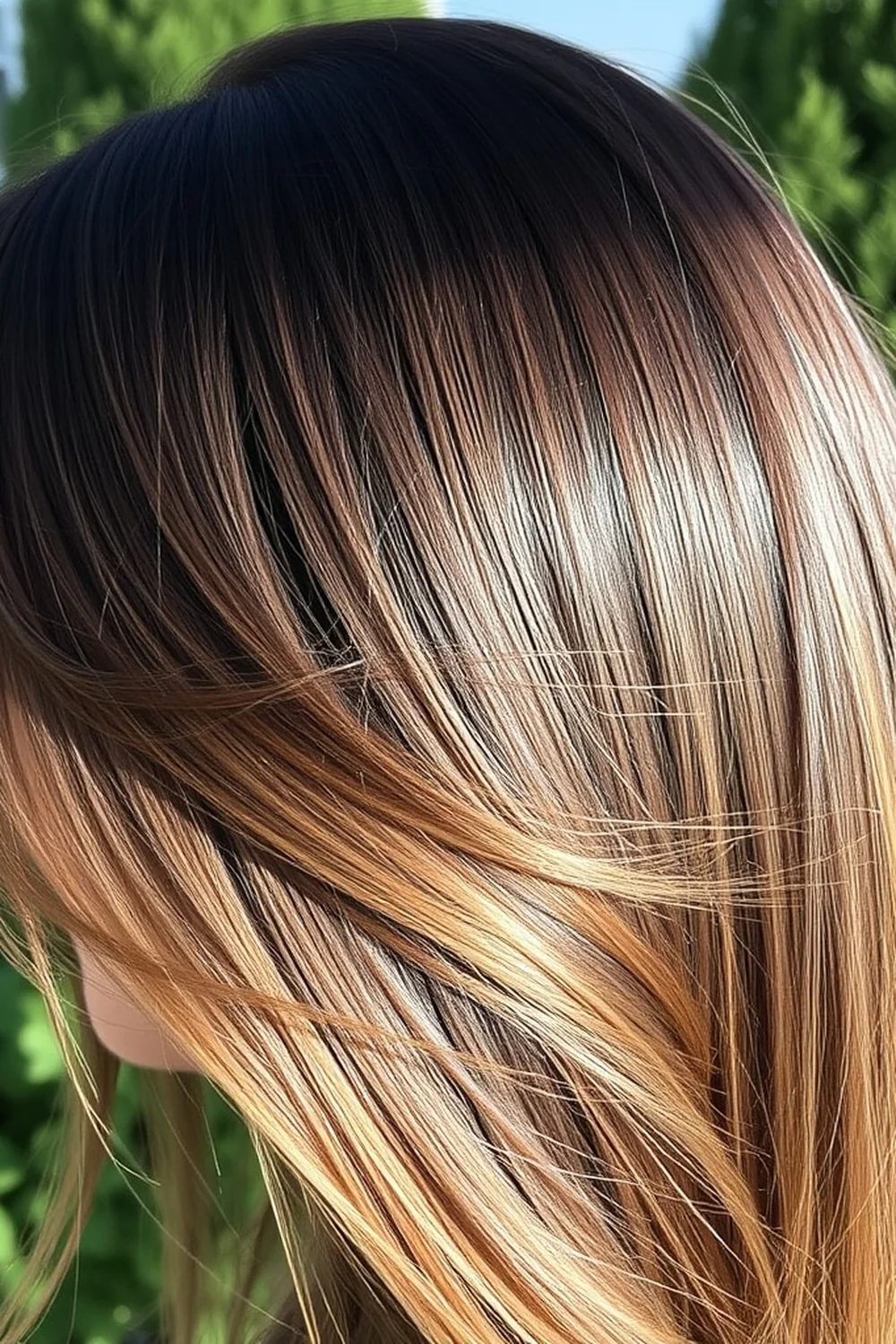
I find that cutting hidden weight out of the hair is the smartest way to manage thick strands without changing the overall shape. These air dry layers are tucked beneath the top section of your hair to provide volume control and movement. By removing density from the mid lengths, you prevent that dreaded triangle shape that often happens as hair dries naturally. It is a low maintenance layered haircut technique that keeps your hair looking sleek while letting it sit closer to your head.
Ask your stylist to remove about 1 inch of weight internally to help with faster drying times and better movement. Because these layers are invisible, your ends stay looking thick and healthy. Use a pea-sized amount of texturizing cream to define these hidden pieces once the hair is damp. This simple adjustment makes for effortless air dry hairstyles every single morning.
Textured Bob Layers
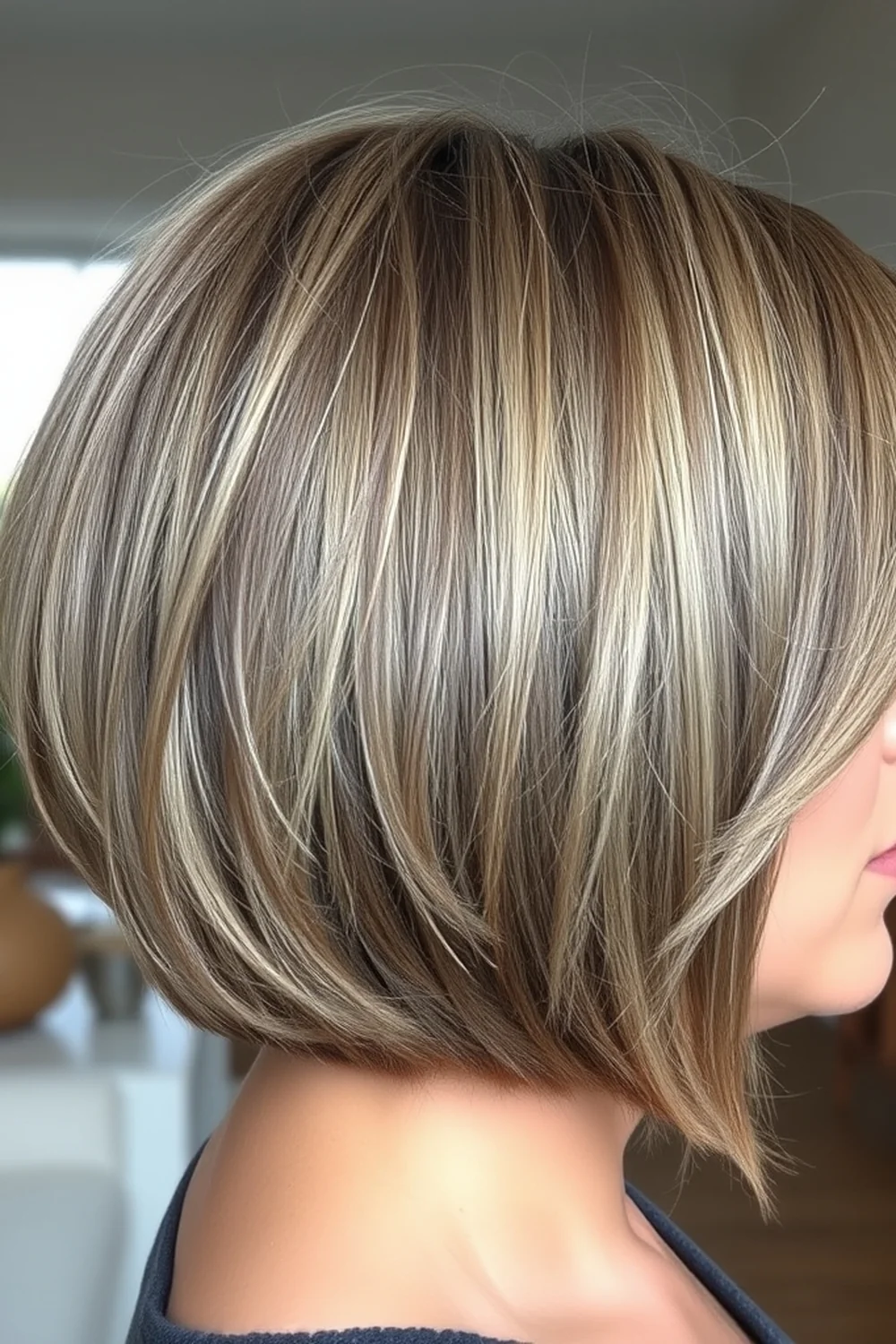
Apply a dime-sized amount of texturizing cream to damp ends to help your air dry layers hold their shape without weighing down fine strands. This cut relies on blunt ends with hidden depth to provide the illusion of thickness. By keeping the perimeter solid and cutting internal layers, you prevent the hair from looking stringy while you wait for it to dry naturally.
This style is perfect for fine hair types because it removes just enough weight to encourage natural movement. Since you aren’t using heat, start by gently squeezing out excess moisture with a microfiber towel to minimize breakage. If your hair is prone to falling flat, these internal layers act as a support system. They build volume right at the roots and keep the style looking intentional rather than messy throughout the day.
Butterfly Style Air Dry Layers
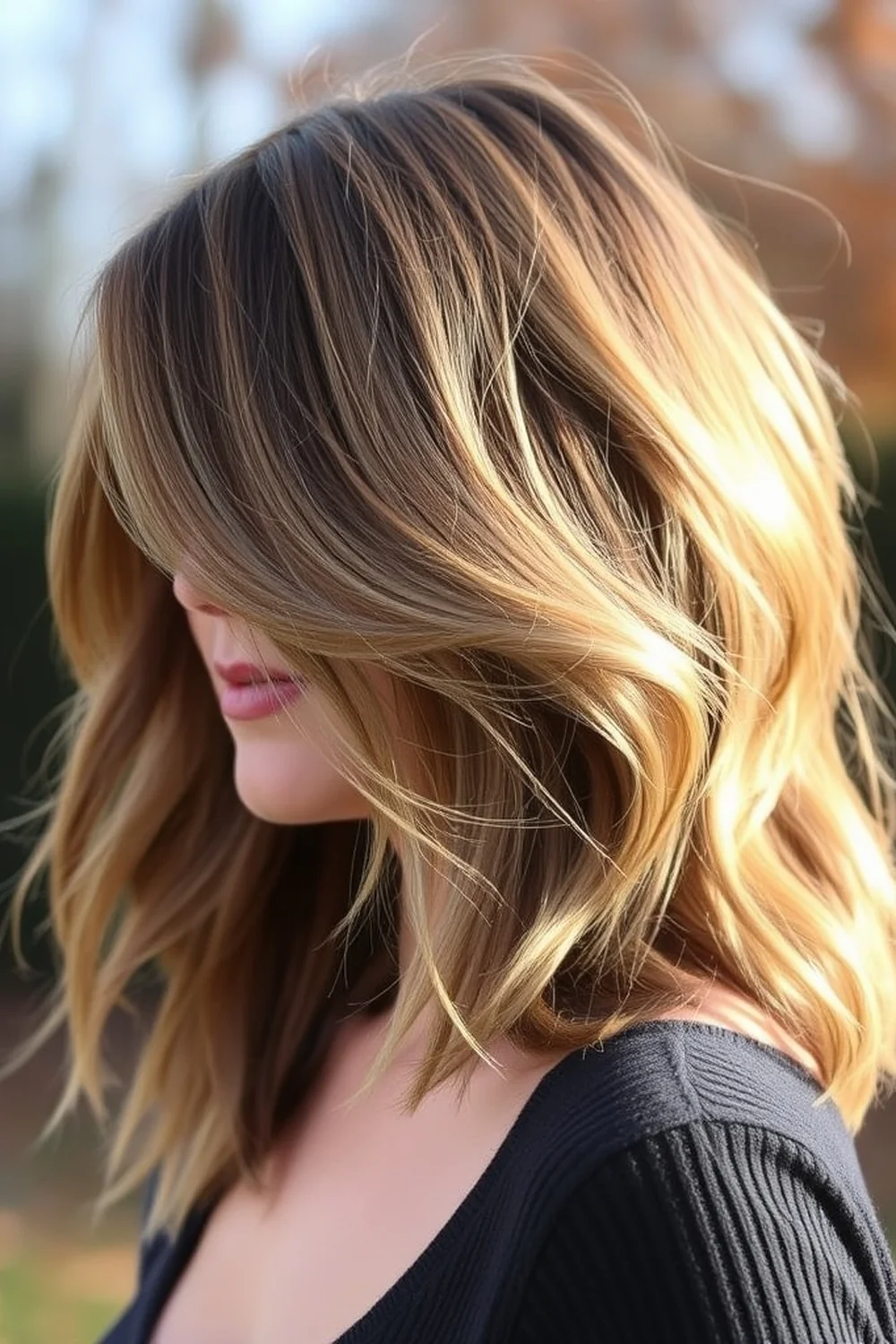
As the air turns crisp, the butterfly cut is the perfect choice for air dry layers that lean into natural movement. This style relies on heavy face framing that starts around the chin to create instant lift and volume. It is one of the best haircuts for air drying because the shorter sections near the face remove excess weight, allowing the remaining long hair to bounce without feeling flat. If you have thick hair, this shape prevents the dreaded triangle effect. To keep these layers looking polished, apply a pea-sized amount of texturizing cream to damp ends. Focus on scrunching the hair upward to encourage your natural texture pattern while it dries. A 5 inch section of face-framing hair is usually the ideal length to frame your features while keeping the styling process simple and heatless.
Disconnected End Layers
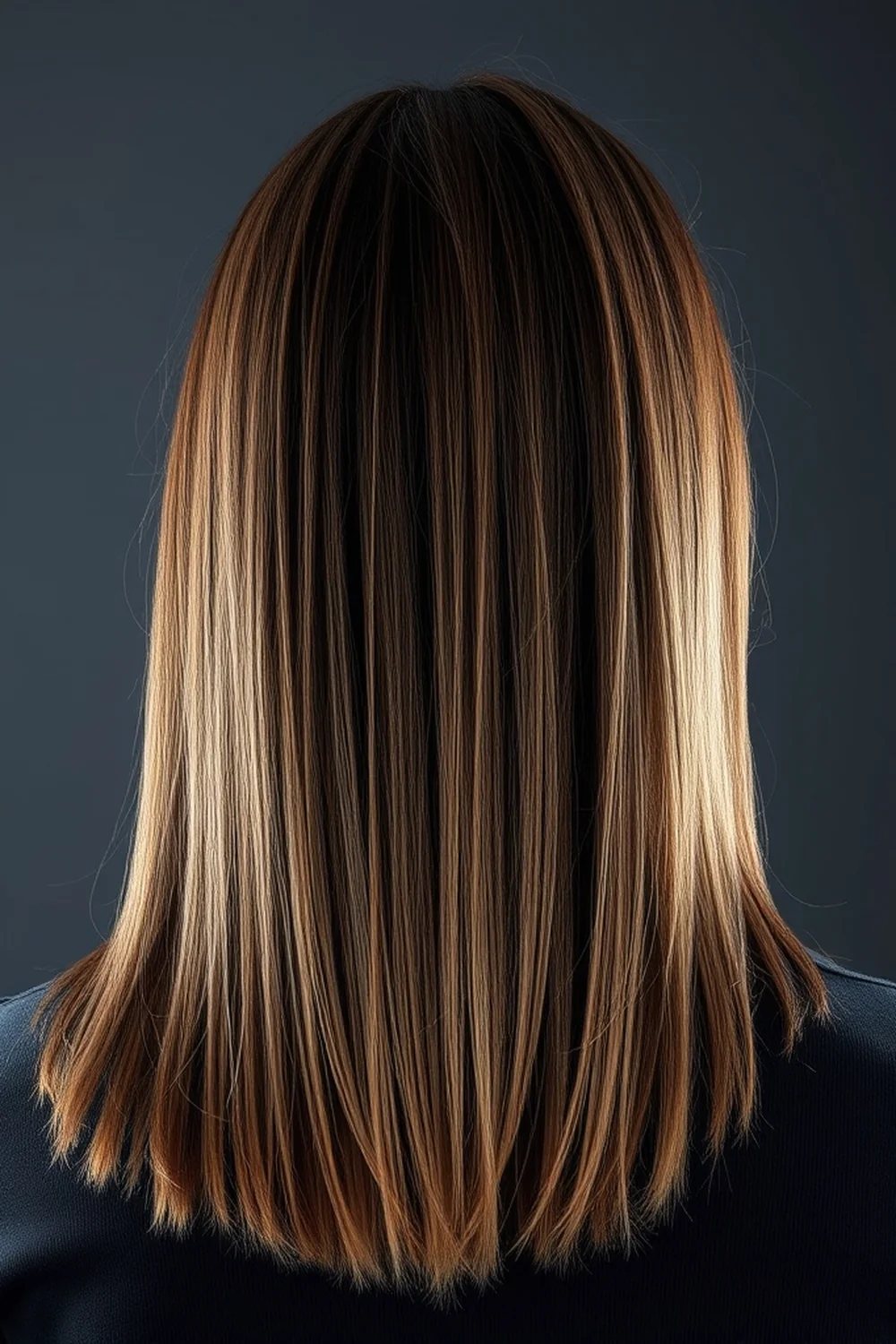
Getting these disconnected air dry layers costs about $80 at a standard salon, which is significantly cheaper than the recurring expense of professional blowouts or high-end heat styling tools. This cut features sharp, uneven ends that create an edgy look for straight hair without the need for daily styling. By carving out internal sections, your stylist creates a shape that sits perfectly once dry.
You gain adding shape without maintenance because the weight distribution prevents hair from falling flat. Simply rake a small amount of texturizing cream through your damp strands and let them set. This approach is one of the best low maintenance layered haircuts for those who want a modern, piecey finish. Since the ends are intentionally blunt and separated, you don’t have to worry about your hair looking messy as it grows out.
Long Minimalist Layers
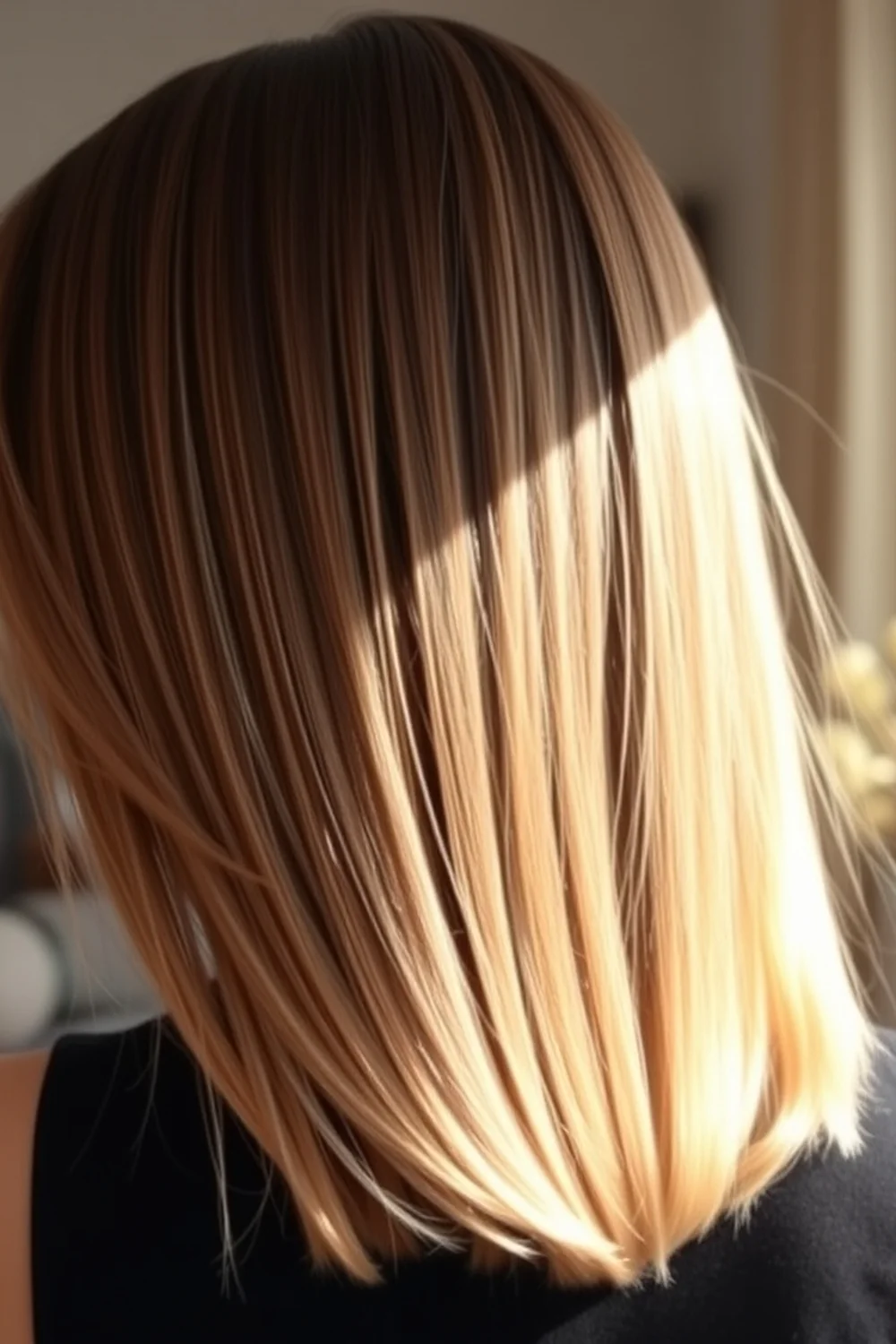
Adding as few as two or three strategic snips can change how your hair behaves during your morning routine. Many people think you need a full shag to get movement, but long air dry layers work better for a clean, polished finish. By keeping the length mostly uniform, you avoid the messy look that happens when too many short pieces fight for space.
These subtle cuts are perfect for anyone struggling with flat roots. Because the weight is removed from the top sections, your hair lifts away from the scalp naturally as it dries. You only need a small amount of leave-in conditioner to keep those ends healthy while the rest of your hair settles into its natural pattern. This low maintenance layered haircut style creates a soft flow that feels modern and intentional without requiring a single minute of heat styling.
Curly Graduated Layers
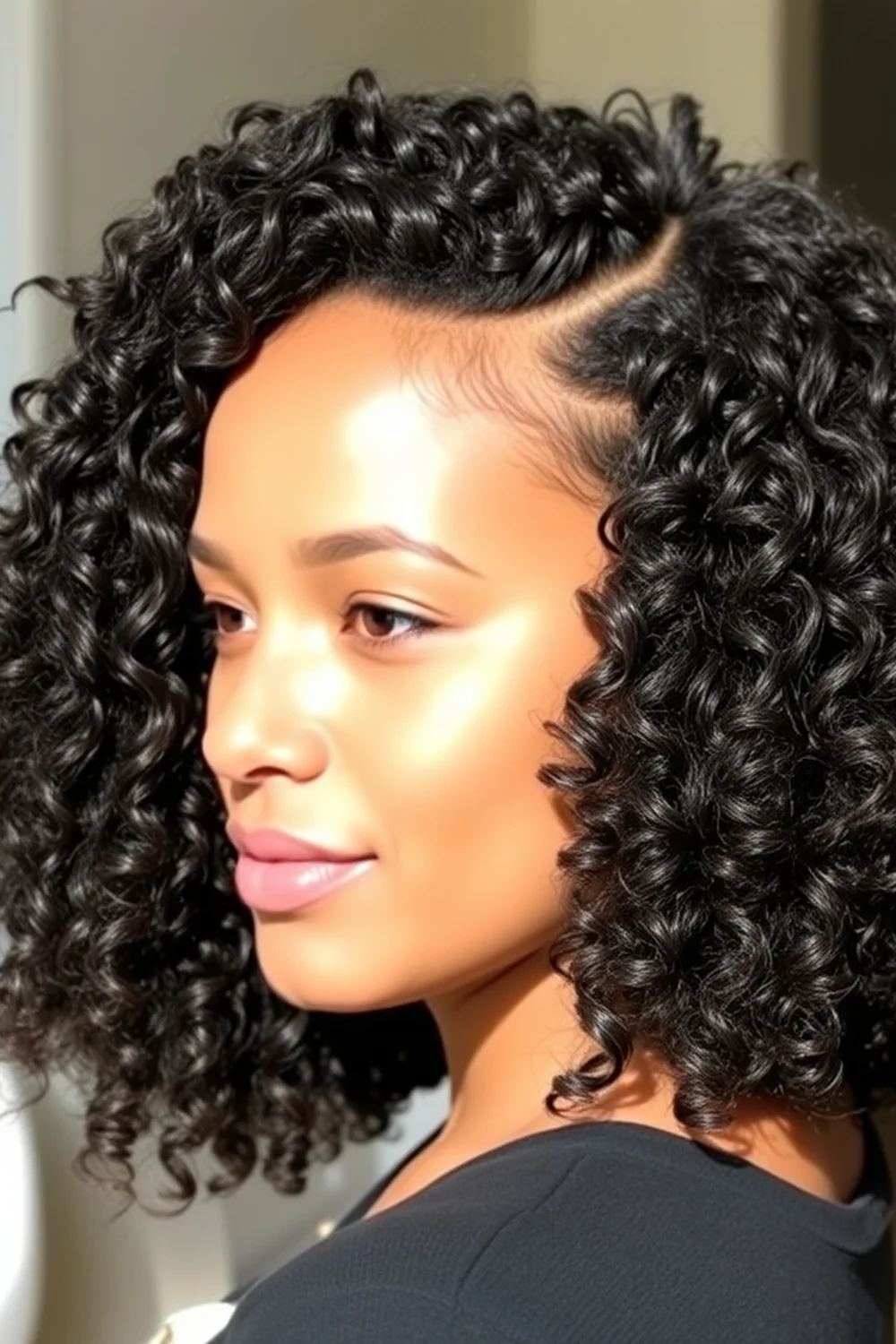
You wake up with dense, heavy curls that feel weighed down and flat at the crown. Curly graduated layers solve this by stacking hair in shorter sections toward the top to encourage bounce. These air dry layers remove internal bulk, which helps your hair dry evenly from root to tip. By cutting shorter pieces near the crown, you lift the weight off your roots so your natural curl pattern can spring back into shape.
To avoid the dreaded triangle hair effect, ask your stylist to focus on graduation rather than blunt edges. This technique creates a rounded silhouette instead of a wide base. I find that applying a small amount of texturizing cream while hair is damp prevents frizz during the drying process. Keep your layers at least 4 inches long to ensure they blend well without losing moisture or losing control of your volume.
Wavy Mid Length Layers
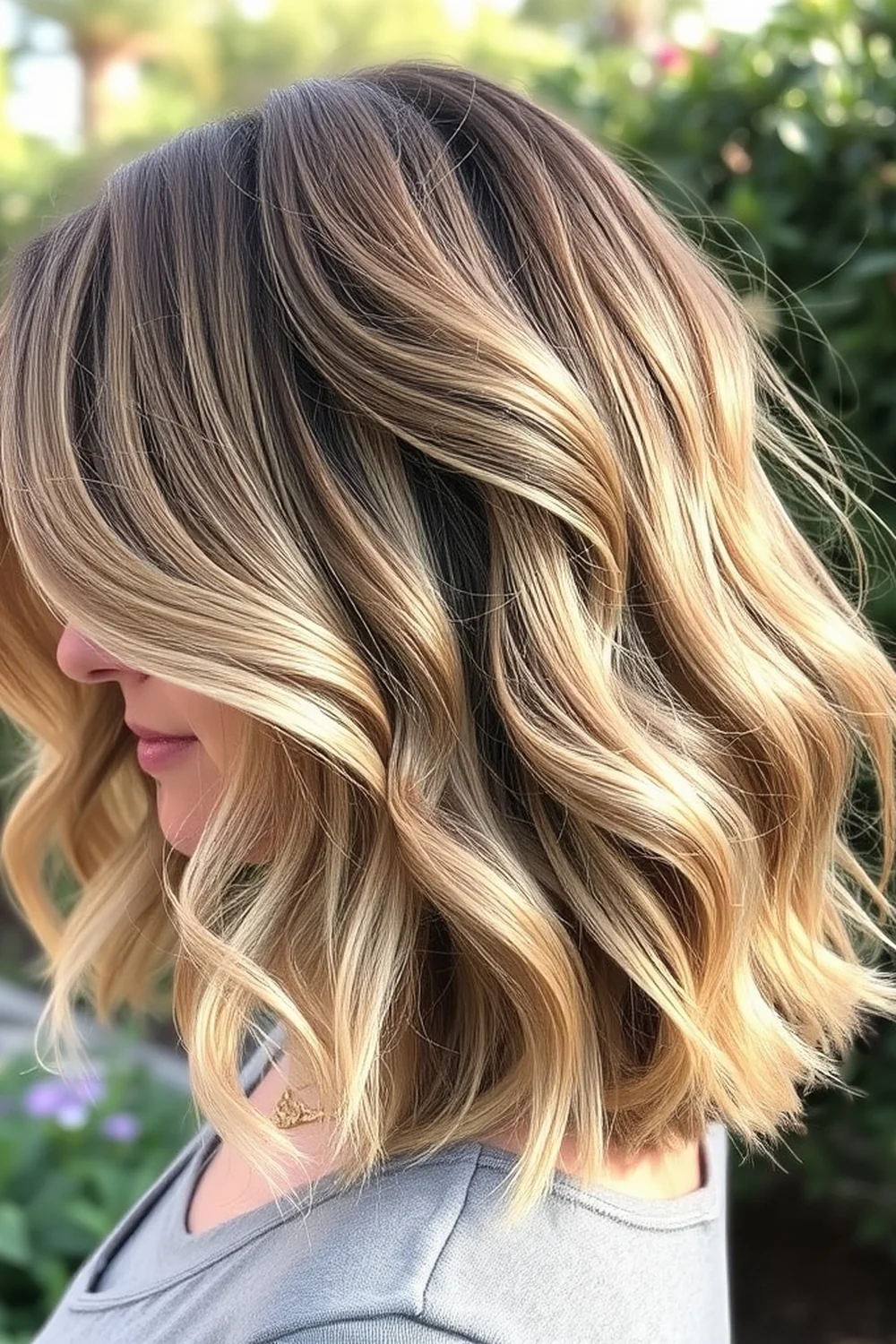
Do you want to embrace your natural movement without reaching for a blow dryer? Air dry layers work best on mid-length hair because they remove excess weight that pulls down your natural wave pattern. When your hair hits your shoulders, shorter pieces around the face encourage bounce and prevent the dreaded triangle shape. For medium thickness, ask your stylist to cut internal layers that stay hidden beneath the top section. This low maintenance layered haircut keeps your ends looking full while adding just enough shape to avoid a flat finish. I use a wide-tooth comb on damp hair to distribute product evenly without disrupting the curl clumps. Apply a dime-sized amount of texturizing cream to the mid-lengths and scrunch upwards. This simple technique keeps your hair healthy and helps you master your own effortless air dry hairstyles every morning.
Straight Razor Layers
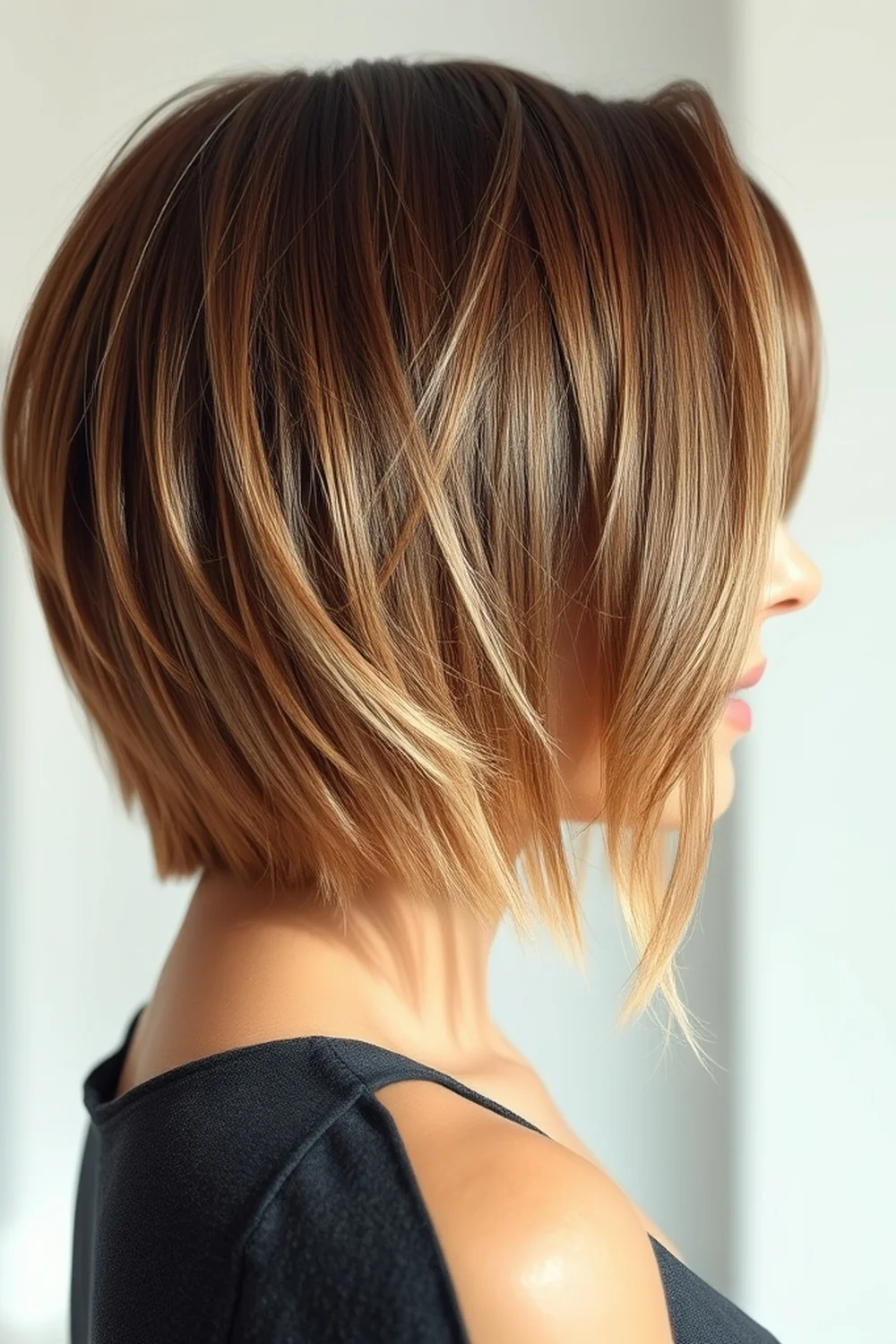
Many think you need heavy shears to create shape, but a straight razor actually provides the soft edges needed for a lived in look. This technique removes weight precisely where you need it, preventing the blunt choppy lines that often make hair look stiff. When you use this method for air dry layers, the ends taper naturally as they dry. This creates a fluid movement that feels light and intentional rather than hacked. I’ve seen this work wonders for fine hair that usually falls flat. You should ask your stylist to keep the razor work at least 2 inches away from the roots to maintain strength. Applying a small amount of texturizing cream while the hair is damp helps define these soft pieces. This simple approach ensures your style stays polished and manageable without needing any heat tools.
Deep V Layers
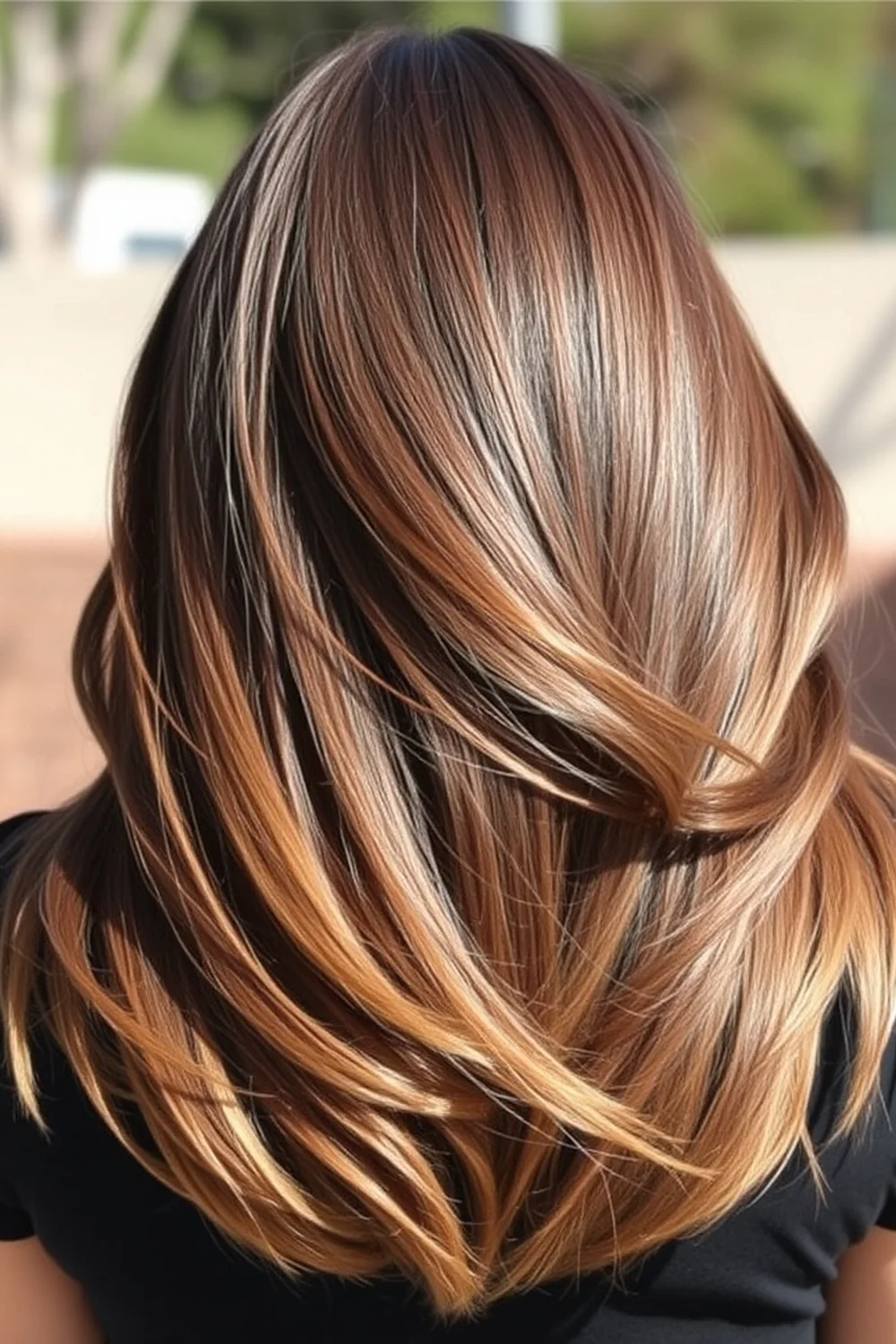
I find that deep V layers are the most effective way to keep your hair feeling long while still creating a lot of movement. These air dry layers are cut in a sharp angle toward the back, which removes excess weight from the ends. This weight distribution is helpful for adding bounce to the back without needing a round brush or heavy styling tools. Because the bulk of the length stays intact at the center, this is one of the best haircuts for air drying if you want to keep your hair past your shoulders. To keep these layers looking sharp, I recommend using a wide-tooth comb to detangle your hair while damp. Apply a pea-sized amount of texturizing cream to the ends to encourage definition. You can maintain this look with a professional trim every 10 weeks to prevent straggly ends.
Wispy Crown Layers
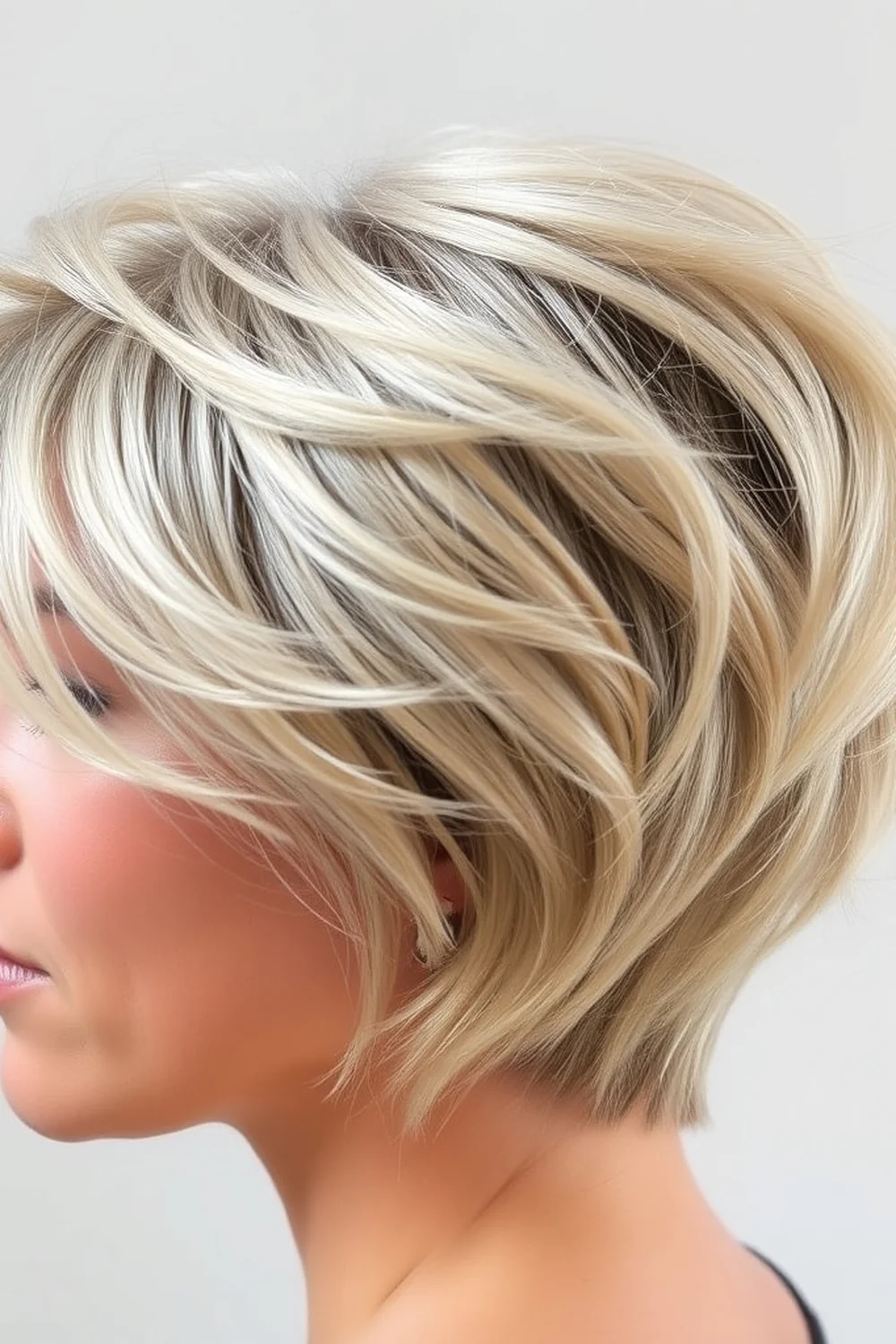
Apply a dime-sized amount of lightweight hair mousse to damp roots to lift flat hair at the crown without needing a blow dryer. These air dry layers are cut shorter around the top of your head to remove heavy weight, which naturally encourages the hair to stand up rather than falling flat against your scalp.
In my experience, cutting these layers about 3 inches shorter than the rest of your hair provides the perfect amount of bounce. You don’t need backcombing or teasing to get this height. Simply use a wide-tooth comb to distribute the product while your hair is soaking wet, then let it sit undisturbed. This effortless air dry hairstyle works best if you avoid touching your roots while they dry. If you have fine hair, this technique is the secret to getting natural volume that lasts all day.
Feathered End Layers
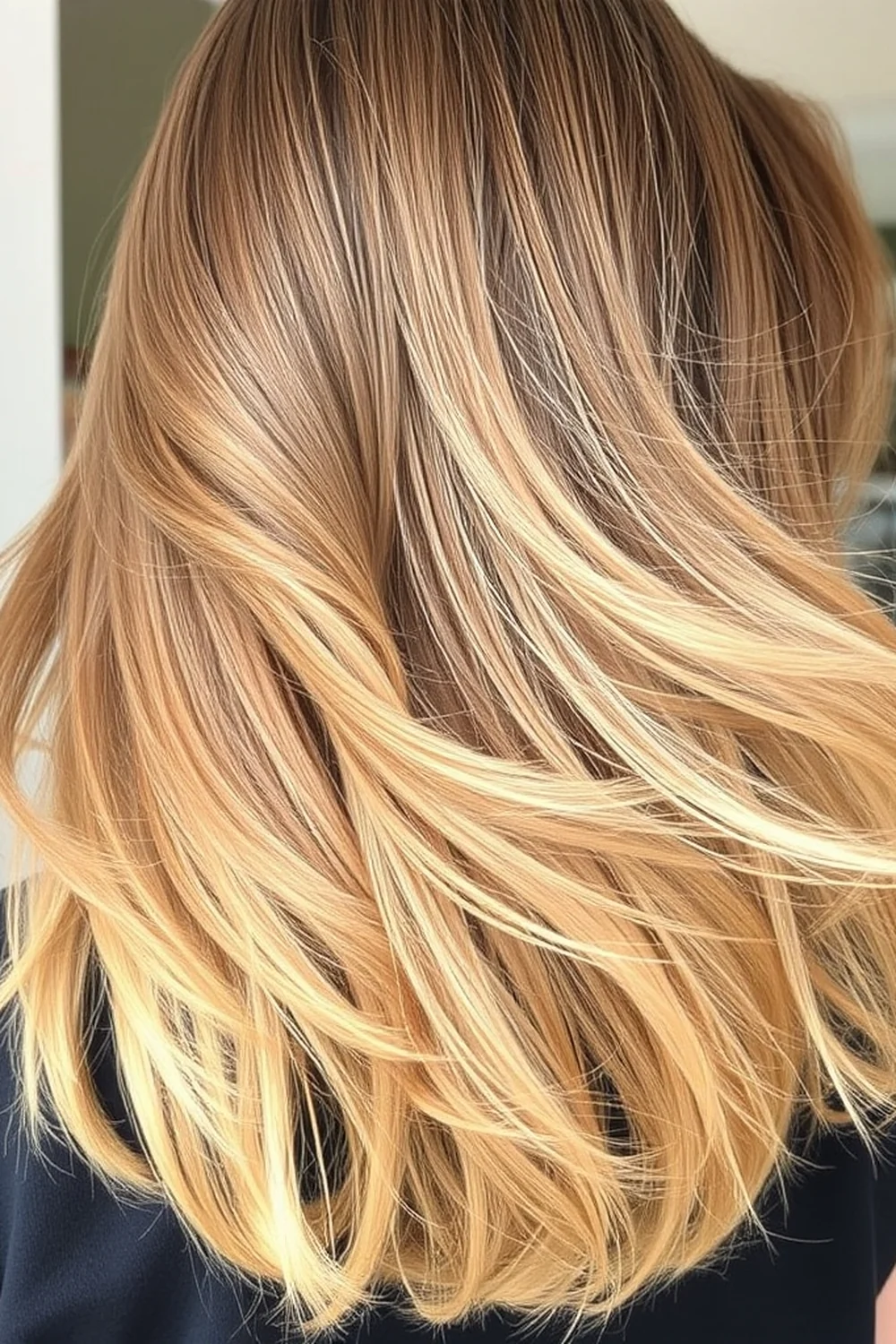
When humidity hits during the summer months, feathered end layers act as the perfect solution for keeping your mane light and manageable. By removing excess bulk from the bottom, these cuts allow your hair to move freely as it dries. You will notice a significant reduction in the heavy, blocky feel often associated with blunt cuts. This style is one of the best haircuts for air drying because it encourages natural texture to form without the need for a round brush.
To keep the movement consistent, focus on lightening the bottom weight by asking your stylist for point cutting. Start by applying a dime-sized amount of texturizing cream to damp strands to lock in your shape. These air dry layers prevent the dreaded triangle effect by distributing volume evenly from root to tip. It is a simple way to maintain a polished look while skipping the heat.
Tiered Short Layers
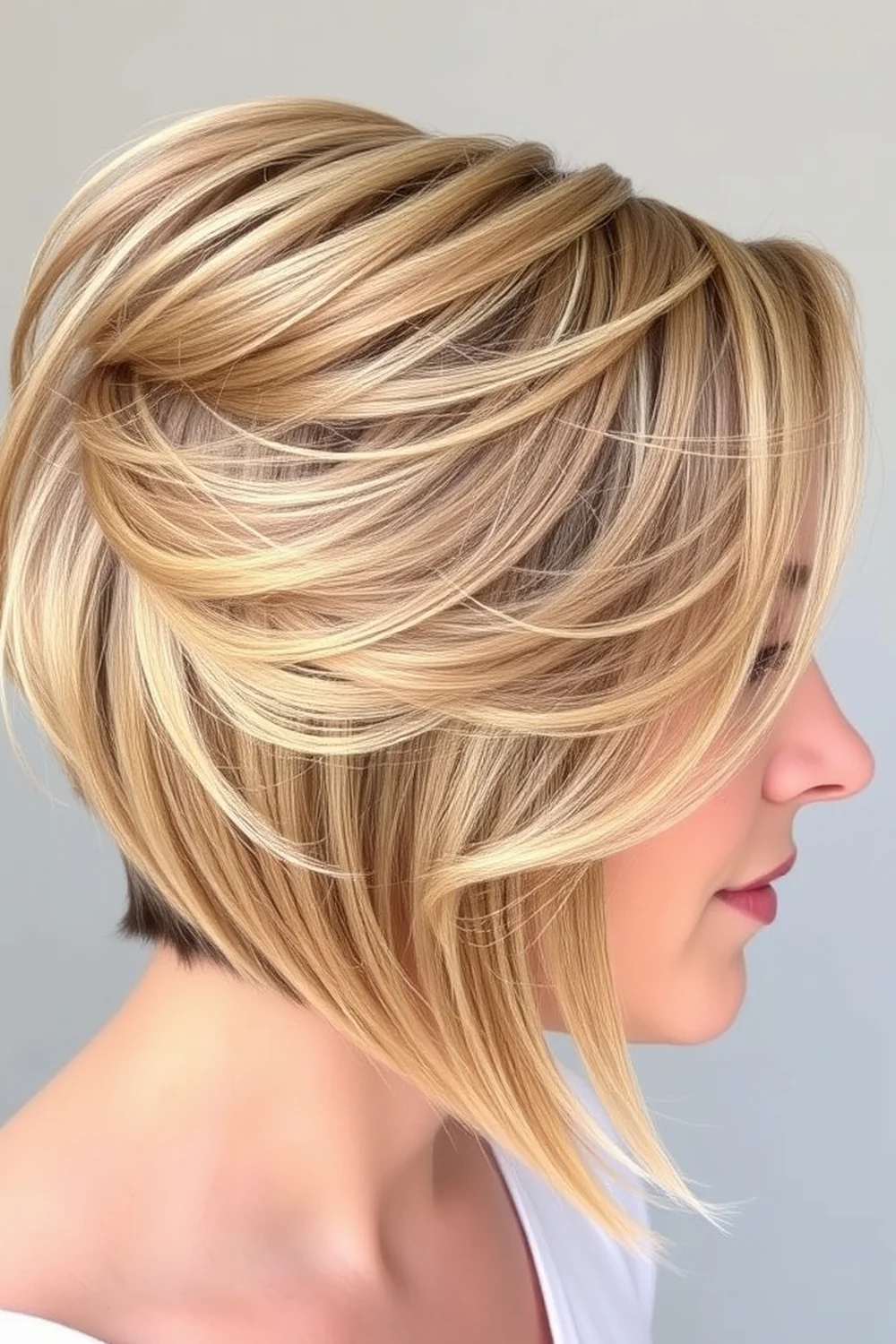
You can save about $200 a year by skipping professional blowouts for a cut that relies on air dry layers instead. Stacking hair in shorter sections creates natural lift at the crown, which is the perfect solution for flat or limp hair. These cuts work by removing weight from the ends so your hair doesn’t fall flat while it dries.
This style is the best for very fine strands because it mimics the volume of a fuller head of hair. I’ve found that using a lightweight texturizing cream helps these layers hold their shape without getting greasy. If you have thin hair, keep your shortest layer around 3 inches long to ensure enough weight remains to prevent frizz. Always use a wide-tooth comb while your hair is damp to distribute your product evenly and keep the stacked layers looking distinct rather than clumpy.
Soft Arc Layers
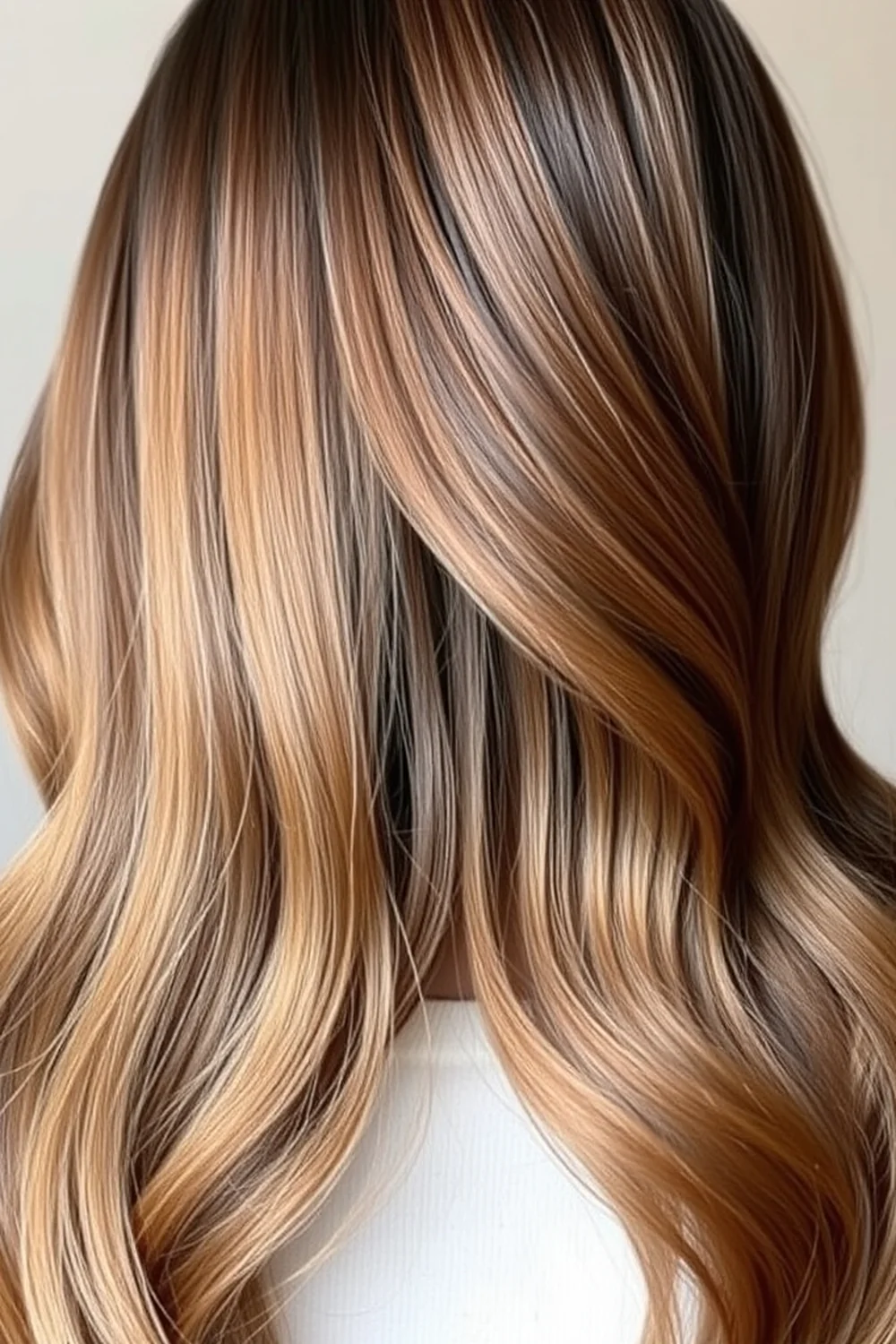
Around 70 percent of women with long hair find that heavy, blunt ends drag their style down by midday. Opting for soft arc layers creates a continuous flow that removes weight while maintaining length. These specific air dry layers follow a rounded perimeter, which keeps your hair looking polished even when you skip the blow dryer. Because the ends are cut in a subtle curve, they naturally tuck inward as they dry. This shape is perfect for low maintenance layered haircuts since it requires very little effort to keep tidy. I suggest using a small amount of texturizing cream on damp strands to define the arc without making the hair feel stiff. By choosing this cut, you gain movement and bounce that lasts through your entire morning commute. It is the easiest way to keep your hair looking intentional and soft.
Choppy Perimeter Layers
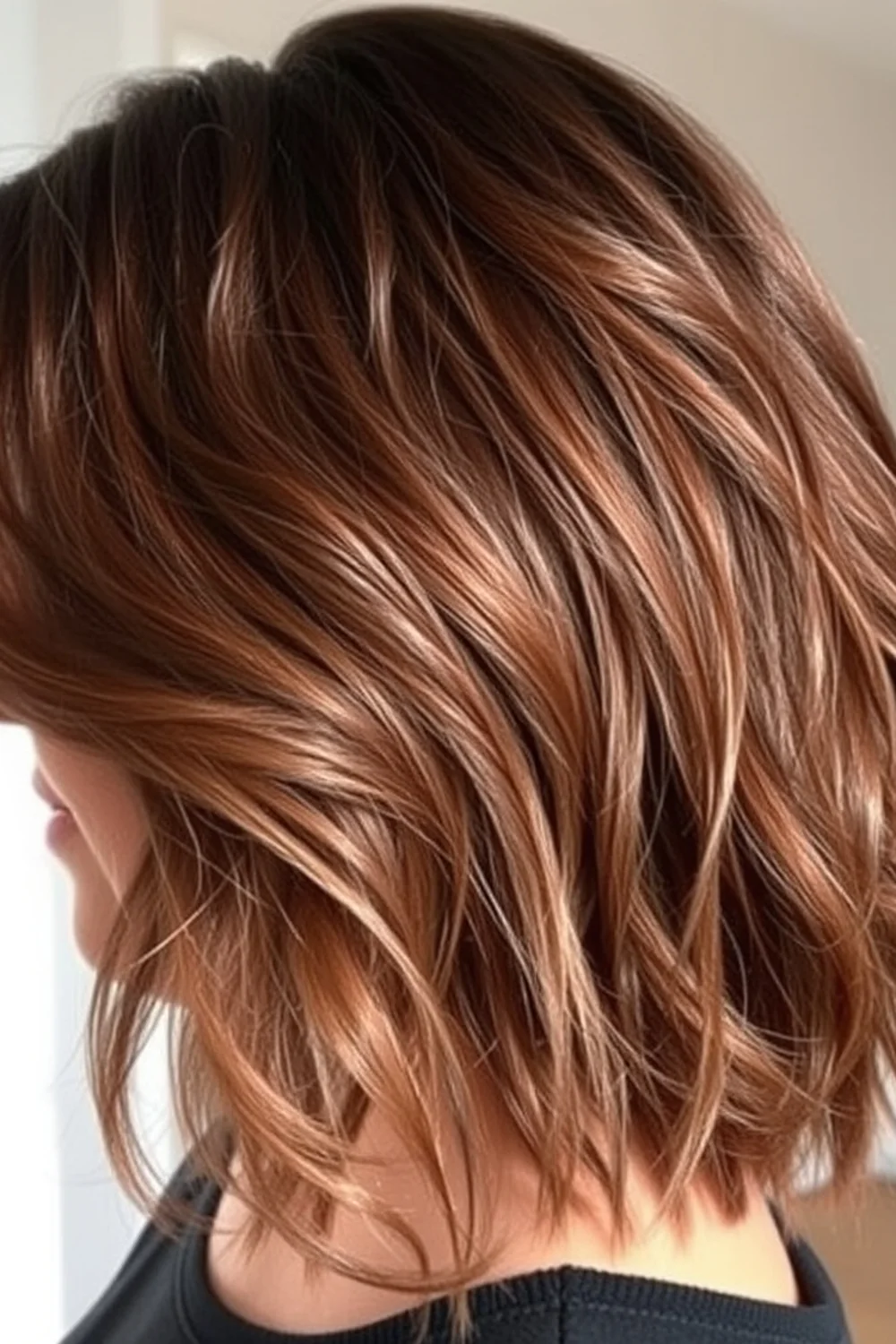
You want to skip the blow dryer but still struggle with limp, lifeless ends. Adding choppy perimeter layers to your hair creates instant movement and prevents that heavy, weighed-down feeling that often happens when you let hair dry naturally. These air dry layers focus on removing bulk from the very bottom of your strands to give you a piecey, lived-in look.
I have found that a 1-inch trim focused specifically on the tips makes a massive difference in how quickly your hair dries. This cut is perfect for messy beach styles because it encourages your natural texture to bend and twist without needing a curling iron. Use a small amount of texturizing cream while your hair is damp to define those ends. It keeps your style looking intentional, edgy, and completely effortless throughout the day.
Curled Air Dry Layers
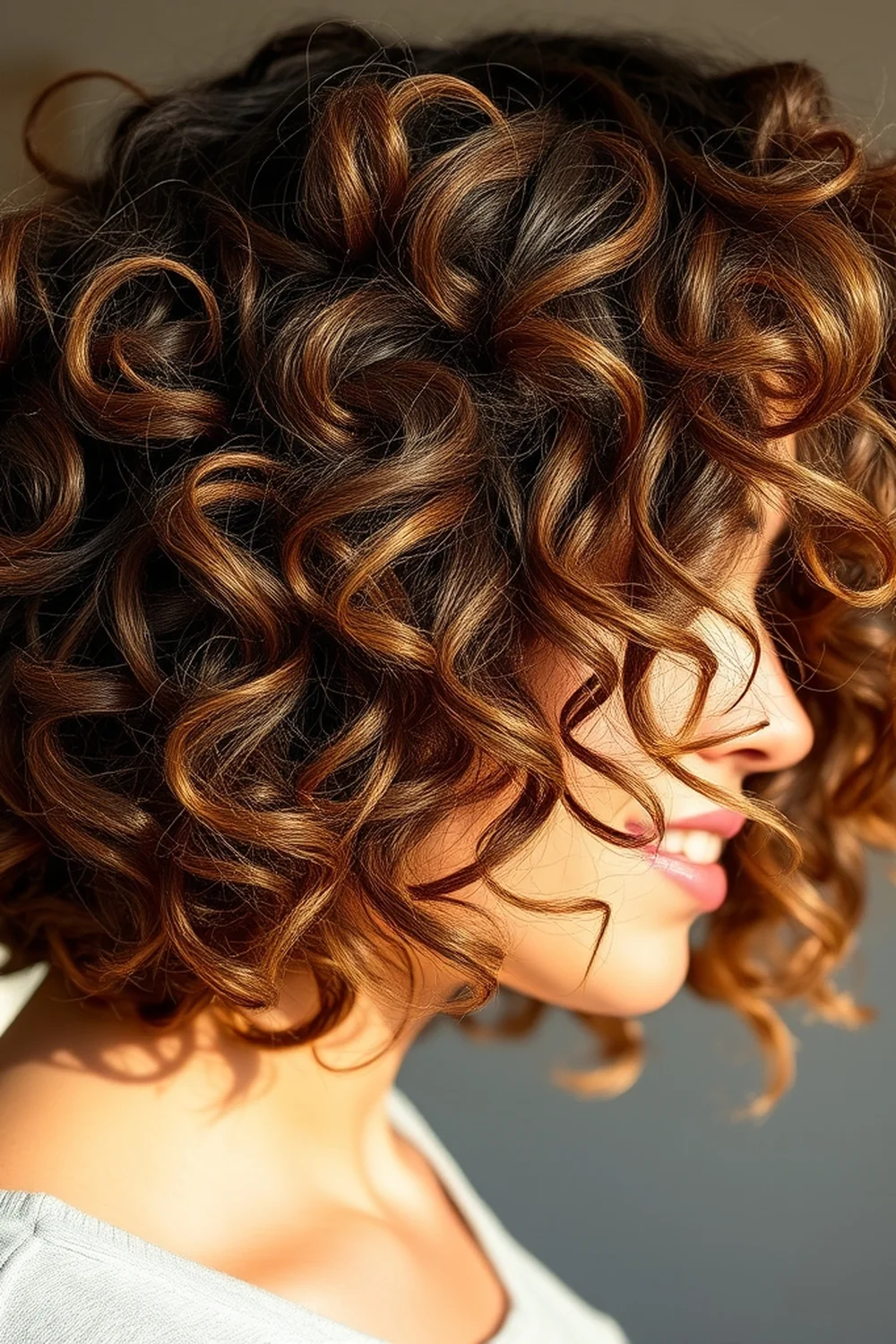
Do you want to embrace your natural movement without reaching for a curling iron? **Curled air dry layers** rely on your hair’s unique texture to create a bouncy, defined shape. Start by applying a nickel-sized amount of **sea salt spray** to damp hair to encourage grit and hold. This product helps your hair maintain its structure as it dries, preventing the layers from falling flat.
If you have tight coils, work with your natural pattern by twisting small sections while they are still wet. This technique keeps the hair clumped together for a uniform look. Use a **microfiber towel** to gently squeeze out excess water, which helps with frizz control. I find that skipping the brush and using only your fingers keeps the definition crisp. These **air dry layers** look best when you let them set completely before touching them, typically taking about 2 hours to dry.
Textured Front Layers
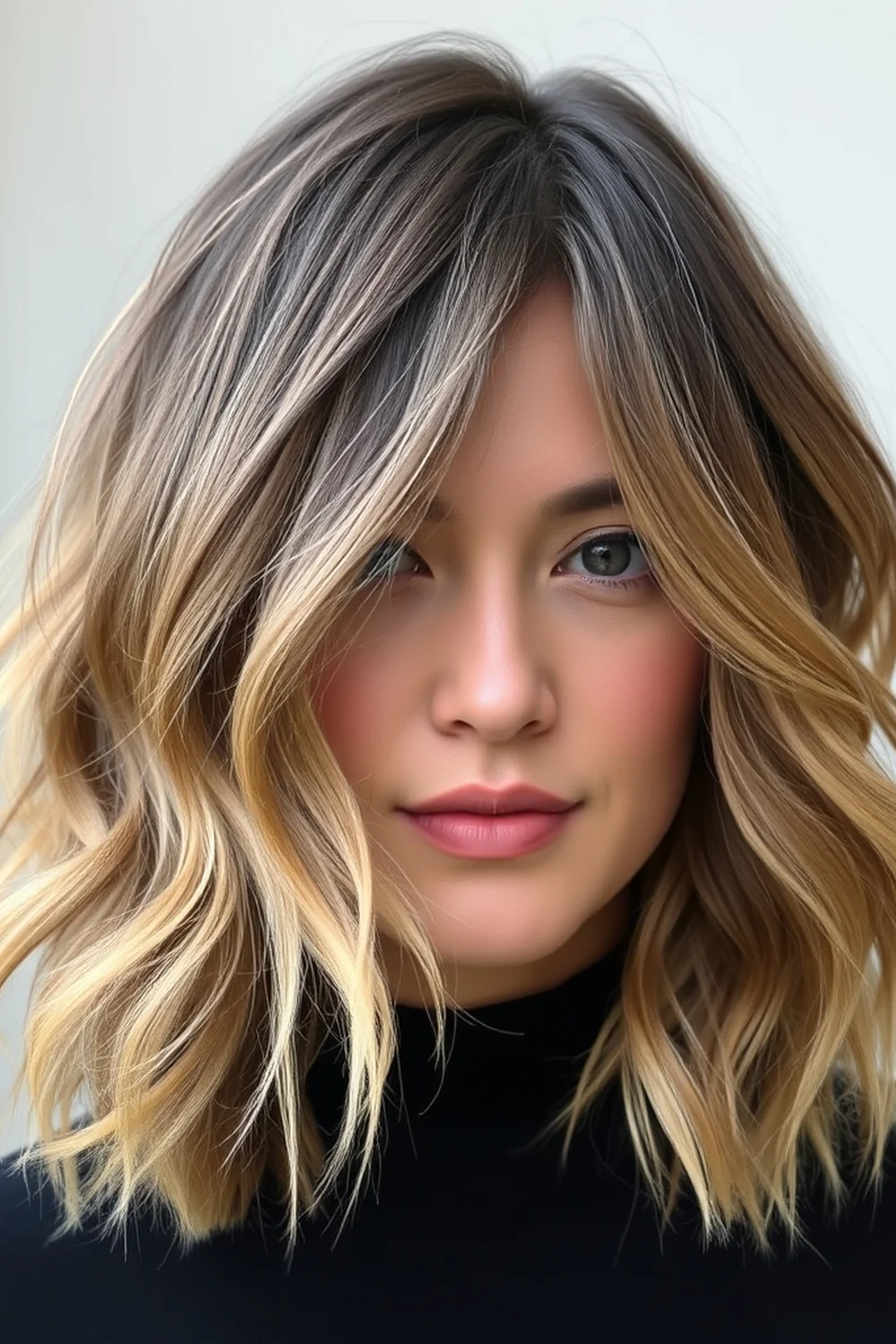
Many people believe you need a round brush to get face framing volume, but textured front layers actually perform better when left alone. These air dry layers utilize your natural wave pattern to create shape rather than fighting against it. By cutting shorter pieces near the hairline, you prevent the weight of your hair from pulling down your roots. This technique helps you achieve effortless air dry hairstyles that look intentional.
- Apply a pea sized amount of texturing cream to damp strands while pushing the hair away from your face.
- Use a wide-tooth comb to distribute product, then leave the hair completely undisturbed while it dries.
- Focusing on the hairline allows these layers to frame your features naturally without needing a single minute of heat styling.
This approach works best when you keep the ends slightly piecey to maintain a soft, lived in finish.
Layered Lob Air Dry Style
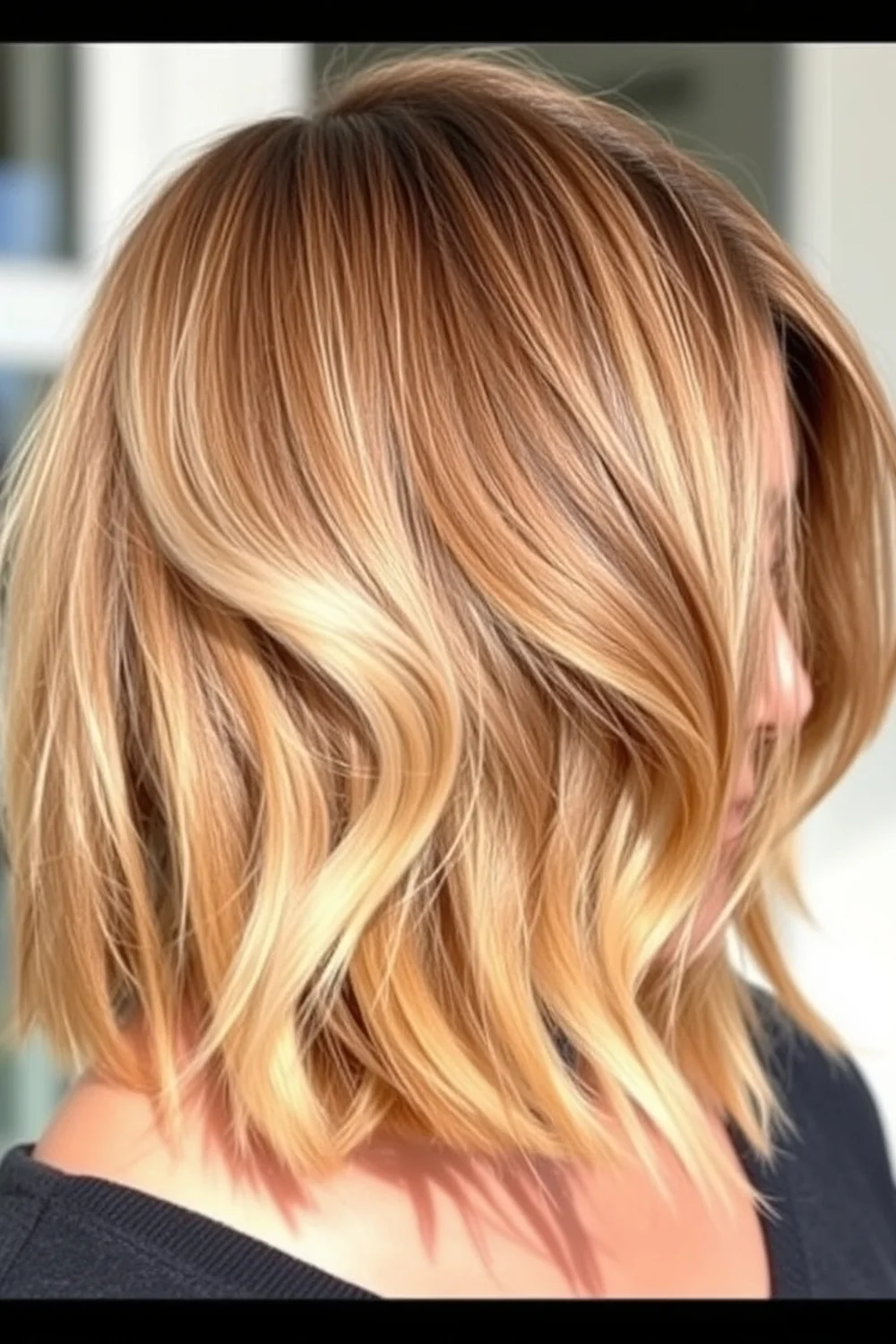
I have found that the shoulder-grazing length of a lob is the sweet spot for air dry layers because it removes just enough weight to prevent your roots from falling flat. This cut sits right around 10 inches from the crown, which creates a perfect balance that keeps hair looking bouncy rather than stringy. It works for almost every face shape, especially when you pair it with soft face-framing pieces.
To style this look without heat, apply a quarter-sized amount of leave-in conditioner to damp hair while using a wide-tooth comb to distribute the product evenly. If your hair tends to get frizzy, scrunch in a light texturizing cream to help define your natural movement as it dries. You will love how these low maintenance layered haircuts handle the transition from damp to dry while maintaining a polished shape all day long.
For another perspective, this detailed piece on Air Dried Layered Hair is worth a read.
FAQ
How to stop triangle head
You prevent triangle head by asking your stylist for internal layers that remove bulk near the ends. This technique balances the weight of your hair so it doesn’t puff out at the bottom while staying flat at the roots. I find that using air dry layers works best when you keep the ends slightly thinned rather than blunt.
Blow dry vs air dry
Blow drying offers more control and speed, but air drying is significantly better for preserving your natural moisture and preventing split ends. While heat styling provides a polished finish, air drying relies on the right cut to look intentional. My experience shows that air drying keeps your hair cuticle smoother over time.
Best products for humidity
To fight frizz in humid weather, you need a high-quality leave-in conditioner that locks in moisture without feeling heavy. Follow this with a pea-sized amount of texturizing cream to define your shape. If you have wavy hair, a light mist of sea salt spray helps maintain your texture throughout the day.
Managing layers without heat
Use a microfiber towel to gently squeeze out excess water instead of rubbing your hair, which creates friction and frizz. While your hair is damp, apply a small amount of hair oil to the ends to ensure they stay soft as they dry. This simple habit keeps your style looking intentional.
Is air drying better?
Yes, air drying is the healthiest choice because it eliminates the risk of thermal damage from high-heat tools. You can achieve a professional shape by choosing the right cut for your natural pattern. I suggest investing $20 in a wide-tooth comb to detangle gently before letting your hair set.
You might also like: 23 Christmas Party Hairstyles That Feel Glamorous
Key Takeaways
Refreshing your routine for the warmer months makes achieving perfect air dry layers much simpler when you focus on the right techniques.
- Microfiber towel benefits: Use a microfiber towel to gently squeeze out excess water because its smooth fibers prevent the friction that causes frizz while you wait for your hair to dry.
- Night prep waves: To wake up with defined movement, braid your damp hair into two loose sections before bed to help your air dry layers hold a wave pattern by morning.
- Layer density matters: Ask your stylist for thinner, spaced-out layers if you have thick hair, as this prevents heavy weight distribution and keeps your cut looking intentional rather than bulky.
- Product application: Work a small amount of texturizing cream through your mid-lengths while hair is still soaking wet to lock in moisture and definition.
- Consistent maintenance: Schedule a trim every 10 weeks to keep your ends sharp and prevent the split ends that ruin an otherwise effortless look.
Save this guide to your Pinterest board for easy access next time you want to skip the heat styling.